
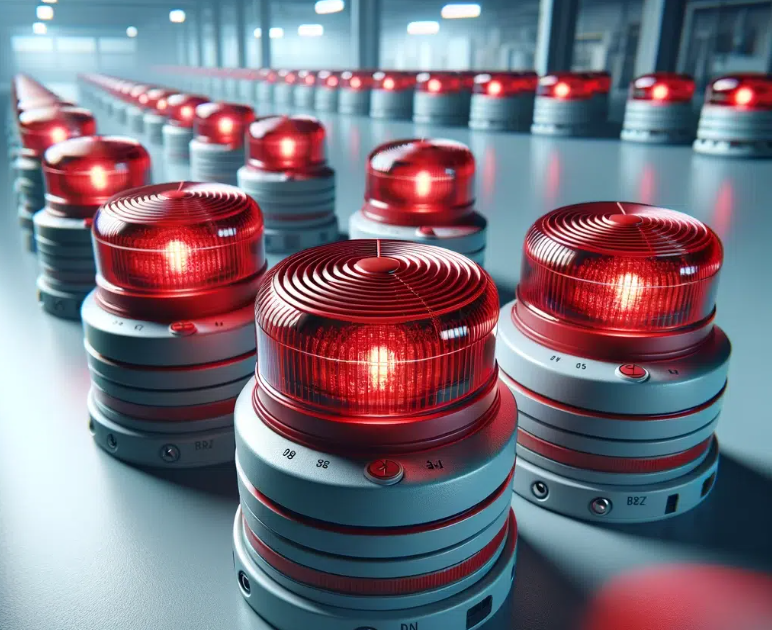
In many industrial and commercial settings, safety and efficiency are top priorities. One effective tool that enhances both is the sounder beacon. This device combines a loud sounder with a visual light signal, helping to alert people to various situations. Let’s explore why sounder beacons are so beneficial in these environments and how they contribute to a safer and more productive workplace.
What Are Sounder Beacons?
Sounder beacons are devices that use both sound and light to signal an alert. They consist of two main parts:
- Sounder: A speaker that produces a loud noise.
- Beacon: A flashing light that accompanies the sound.
These beacons are designed to grab attention quickly, ensuring that people notice the alert even in noisy or visually cluttered environments.
Key Benefits of Sounder Beacons
1. Improved Safety
One of the primary benefits of sounder beacons is their role in improving safety. In industrial settings, such as factories or construction sites, safety is crucial. Sounder beacons can signal various types of warnings, such as:
- Emergency Alerts: In case of an emergency, like a fire or chemical spill, sounder beacons provide immediate warnings, allowing people to evacuate quickly and safely.
- Machinery Malfunctions: If a machine or equipment breaks down, sounder beacons can alert operators and maintenance staff to address the issue promptly.
- Operational Changes: They can signal changes in operations or shift changes, helping to keep everyone informed.
By providing clear and noticeable alerts, sounder beacons help prevent accidents and injuries.
2. Increased Efficiency
Sounder beacons also enhance efficiency in various commercial and industrial operations. Here’s how:
- Clear Communication: In noisy environments, verbal communication can be challenging. Sounder beacons provide a reliable alternative by signaling important information through sound and light. This helps ensure that messages are received promptly.
- Automated Alerts: Sounder beacons can be integrated with other systems to provide automated alerts. For example, they can be programmed to signal when inventory levels are low or when maintenance is required. This automation helps streamline operations and reduces manual monitoring.
- Improved Workflow: By clearly signaling specific actions or changes, sounder beacons help coordinate activities and reduce confusion, leading to a more organized and efficient workplace.
3. Enhanced Visibility
In busy or cluttered environments, it can be challenging to see visual signals alone. Sounder beacons offer enhanced visibility through their combination of sound and light. This is especially important in:
- Large Facilities: In large warehouses or manufacturing plants, sounder beacons ensure that alerts are noticed regardless of the distance from the source.
- Outdoor Areas: For outdoor sites, such as construction zones, sounder beacons are effective in drawing attention even in bright daylight or adverse weather conditions.
- Noisy Environments: In environments with high noise levels, such as factories, the sound component of the beacon ensures that alerts are heard despite the background noise.
4. Versatility
Sounder beacons are versatile and can be used in various settings and applications, including:
- Industrial Facilities: In factories and production lines, they help manage safety, equipment status, and operational changes.
- Commercial Buildings: In office buildings and retail stores, sounder beacons can signal emergency alerts, security breaches, or maintenance needs.
- Transportation and Logistics: In warehouses and shipping docks, they aid in coordinating operations and ensuring safety.
Their adaptability makes them a valuable tool in diverse environments.
5. Compliance with Regulations
Many industries have regulations and standards related to safety and emergency communication. Sounder beacons help organizations comply with these requirements by providing effective alert systems. For example:
- Workplace Safety Regulations: Compliance with safety regulations often involves having systems in place for emergency alerts and notifications. Sounder beacons meet these requirements by offering both auditory and visual signals.
- Fire Safety Codes: Fire safety codes may require specific types of alarms and alerts. Sounder beacons can be part of a fire alarm system, ensuring that alerts are clear and effective.
By integrating sounder beacons, organizations can meet regulatory standards and enhance overall safety.
How to Choose the Right Sounder Beacon
When selecting sounder beacons for industrial or commercial settings, consider the following factors:
- Sound Level: Choose a beacon with a sound level appropriate for the environment. In noisy settings, a louder beacon may be needed.
- Visual Alert: Ensure the beacon’s light is bright enough to be visible in the environment. Consider options with adjustable light intensity if needed.
- Durability: Select beacons that are durable and designed for the specific conditions of the environment, such as exposure to dust, moisture, or extreme temperatures.
- Integration: Look for beacons that can be integrated with existing systems or automated controls for added functionality. For instance, the fike sounder beacon is known for its robust integration capabilities.
Installation and Maintenance
Proper installation and maintenance are key to ensuring that sounder beacons function effectively:
- Installation: Follow manufacturer guidelines for installation. Position beacons in locations where they will be clearly visible and audible. Ensure they are mounted securely and connected to the appropriate alert systems.
- Maintenance: Regularly check sounder beacons to ensure they are functioning correctly. Replace any components that are damaged or worn out. Test the sound and light signals periodically to confirm they are working as expected.
Conclusion
Sounder beacons are a valuable tool in industrial and commercial settings, offering significant benefits in terms of safety, efficiency, visibility, and compliance. By providing clear and immediate alerts through both sound and light, these beacons help prevent accidents, streamline operations, and meet regulatory requirements. Choosing the right sounder beacon and maintaining it properly ensures that it remains an effective part of your safety and communication systems. Whether you are managing a factory, office, or warehouse, incorporating sounder beacons can greatly enhance your workplace’s safety and efficiency.