
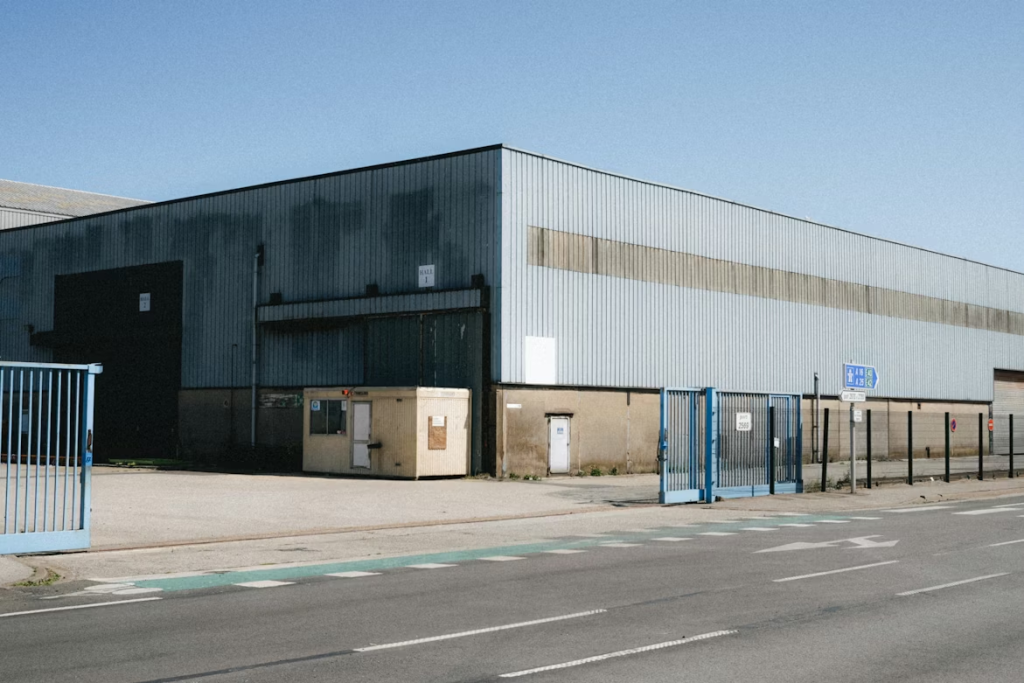
Do you need to build a high-performance workshop, a car storage shed, or a large warehouse? These industrial structures must be durable and provide long-term value. But, which material should you use to build these structures? Steel has redefined industrial constructions due to its durability and affordability.
Engineers and developers work together to construct various types of steel structures based on industrial needs. Besides, most metal buildings have a modular design, which allows for easy expansion.
Various Applications of Steel in the Construction Industry
Steel is a versatile material that lets you design large-span buildings, such as:
- Industrial Warehouses – The fire-resistant material will protect your inventory and lower insurance premium.
- Cold Storage Units – The corrosion-resistant steel storage units insulate the space efficiently.
- Car Storage Sheds – Custom vehicle storage sheds made from steel have structural integrity, which is essential for large cars.
- Manufacturing Plants – Most manufacturing units need a large and stable structure with a proper layout. Your engineers can customize steel into diverse shapes based on architectural needs.
Why Should You Use Steel for Your Industrial and Commercial Buildings?
Steel is the most recommended construction material, as it provides multiple benefits.
Faster construction is a key advantage of constructing a steel-framed building. Prefabricated components enable your contractors to reduce the project timeline. What’s more, pre-engineered designs mean there is a need for minimal manual effort during assembly and installation. The lightweight steel also reduces the transportation cost for the construction project.
Also, steel is a resilient material, resistant to weather damage and pests. Your contractors can modify or expand the steel structure based on your future needs. The height and width of the metal building are easily customizable.
The Main Components of Your Industrial Steel Structure
A metal building for your commercial needs comprises a number of elements:
- Steel beams and columns have a high load-bearing capacity and form the frame of the building.
- Purlins hold the roofing sheets and facilitate a consistent load distribution.
- Wall cladding made from steel meets your insulation needs.
- Premium-quality metal roofing sheets provide insulation and corrosion resistance.
- Anchor bolts let you secure the foundation to the frame.
How to Build a Flexible Steel Building
Your architectural engineers and contractors go through a few steps for steel building construction.
Assess the Site – A professional site visit is the most important step to check the available space and the purpose.
Create an Architectural Design – The architect will design a layout that includes your floor plan and foundation layout. They also focus on ventilation and roofing plans for the building.
Start the Construction Project – Your contractors will use reinforced concrete to develop the foundation. Then, they transport and assemble steel components to construct the building. The final step involves the roofing sheet and ventilation unit installation.
All in All
Flexible steel buildings serve different industrial purposes without exceeding your budget. You can also leverage the strength and adaptability of steel to construct your commercial buildings. The steel structure allows for easy expansion and layout transformation. So, determine your industrial needs and create a plan for a steel construction!
