
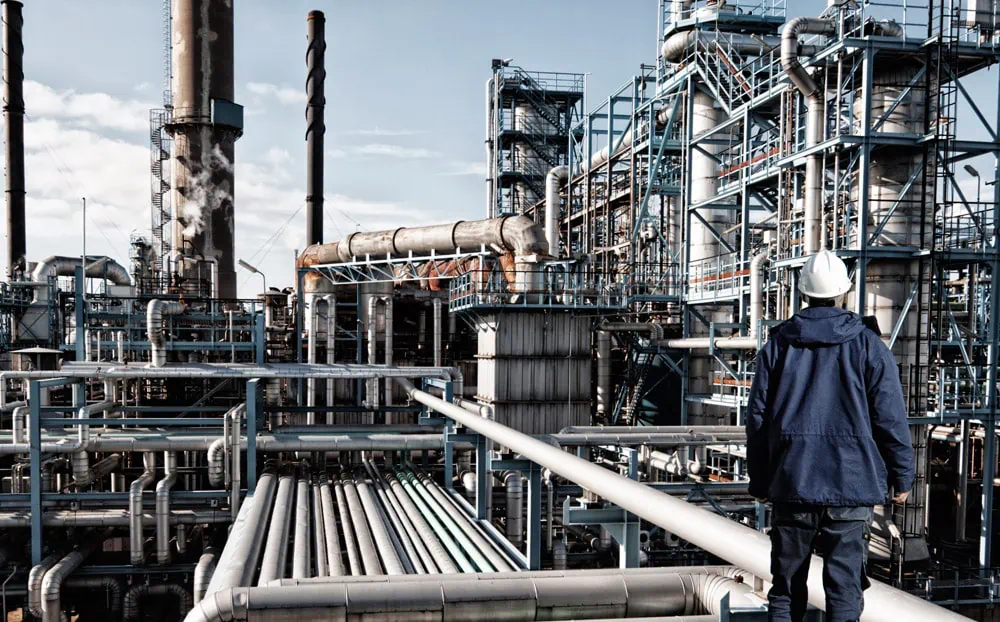
The oil and gas industry has been a major contributor to the global economy for decades, providing essential energy resources that power our daily lives. However, along with its economic benefits, the industry has also brought about significant environmental challenges that cannot be overlooked.
In recent years, there has been an increase in public awareness and concern about the negative impacts of the oil and gas industry on the environment. These include air and water pollution, greenhouse gas emissions, and destruction of natural habitats. As a result, there has been growing pressure on the industry to address these challenges and adopt more sustainable practices.
In this article, we will discuss some of the key environmental challenges faced by the oil and gas industry and explore potential solutions that can help mitigate these issues.
The Environmental Impact of the Oil and Gas Industry
One of the most pressing environmental challenges posed by the oil and gas industry is air pollution. The extraction, transportation, and processing of fossil fuels release harmful pollutants into the atmosphere, contributing to smog, acid rain, and respiratory illnesses. Additionally, offshore drilling activities also pose a threat to marine life and ecosystems.
Another significant concern is water pollution. Oil spills from offshore platforms and pipelines can have devastating effects on marine life, as well as the livelihoods of coastal communities. Moreover, the discharge of wastewater from oil and gas operations can contain toxic chemicals that contaminate water sources and harm aquatic ecosystems.
Greenhouse gas emissions are another major issue associated with the industry. The burning of fossil fuels releases carbon dioxide, methane, and other greenhouse gases into the atmosphere, contributing to global warming and climate change. The oil and gas industry is responsible for a significant portion of these emissions, making it a crucial target for reducing greenhouse gas emissions.
Technological Innovations for Environmental Sustainability
To address these environmental challenges, the oil and gas industry must adopt more sustainable practices and technologies. One critical aspect is the construction of wastewater treatment plants at production sites. These plants help to treat and reuse wastewater generated from extraction operations, reducing the amount of contaminated water that needs to be disposed of.
Furthermore, advancements in technology have led to the development of cleaner energy alternatives such as renewable energy sources. The industry can also invest in carbon capture and storage (CCS) technology, which captures carbon emissions from power plants and stores them underground.
Policy Measures and Industry Regulations
In addition to technological innovations, there is a need for policies and regulations in the oil and gas industry that promote environmental sustainability. Governments and regulatory bodies can implement emission reduction targets and provide incentives for companies to invest in cleaner technologies.
Moreover, stricter regulations on waste disposal, air emissions, and safety standards can hold companies accountable for their actions and encourage them to adopt more environmentally friendly practices.
The Role of Corporate Social Responsibility
Corporate social responsibility (CSR) is becoming increasingly important for companies in the oil and gas industry. This includes initiatives such as reducing carbon emissions, investing in renewable energy, and supporting local communities affected by their operations. By incorporating sustainability practices into their operations, companies can improve their public image and build trust with stakeholders.
Conclusion
The oil and gas industry plays a vital role in our daily lives, but it also poses significant environmental challenges that must be addressed. With the help of technological innovations, policy measures, and corporate social responsibility initiatives, the industry can mitigate its impact on the environment and move towards more sustainable practices. All stakeholders must work together to ensure a greener future for generations to come.
Together, we can create a more sustainable and environmentally conscious oil and gas industry. So, the industry needs to adopt these changes and take responsibility for their impact on the environment. Only then can we ensure a greener future for our planet.