
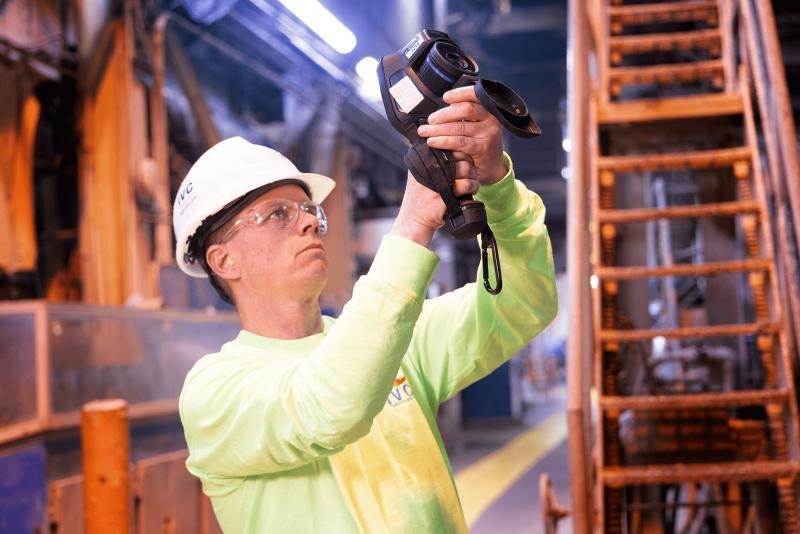
Today’s facilities need electrical, mechanical, and industrial processes to be efficient and safe. However, it is unfortunate that the majority of developing faults go unnoticed until they cause some sort of machinery breakdown, expensive downtime, or safety risks. The use of thermal imaging through infrared technology has proven to be quite effective in detecting abnormal heating conditions before minor problems become major ones. Below are five advantages of using infrared technology in early detection of faults.
Detecting Problems Before Failure Occurs
The major strength of using infrared technology lies in its capability of detecting abnormal heat signatures when the equipment is operating normally. High electrical resistance, friction, poor connection, overheating of circuits, or wear and tear may lead to an abnormal rise in temperatures. An infrared camera will help detect such temperature differences without having to open up machinery or stop production processes. Such information will give enough time for the maintenance team to trace the reason behind such conditions and rectify the situation before any component gets damaged. This approach can help minimize downtime while planning maintenance activities based on organizational priority.
Improving Safety During Inspections
Conventional inspections may have situations wherein it becomes necessary to physically inspect energized electrical systems, machinery in motion, and other equipment that may present a certain level of hazard. With infrared inspections, vital information can be gathered from a relatively safer position, without having to make any unnecessary contact with equipment while it is running. The thermal imaging devices can perform inspections on electrical panels, motors, transformers, bearings, and other equipment without the need to make any physical contact with them. This ability of infrared inspection becomes especially important in cases where the inspection team needs to locate equipment that may be overheated and may pose a fire hazard.
Visualizing and Verifying Thermal Performance
The information on temperature becomes much more valuable when technicians can make the information into an image and compare different temperatures on different machines or working conditions. It gives a clear picture of the heat distribution, enabling any abnormal pattern to emerge in relation to the surrounding environment. Organizations seeking detailed assessments can invest in the best infrared thermography services to obtain professional inspections, thermal analysis, and documented findings. This service will be able to tell if the machine has a normal working temperature range. Continuous inspection will help build a history and will make it easy to spot any changes that occur slowly over time, and that might not be spotted easily otherwise.
Supporting Predictive Maintenance Strategies
The modern practice of maintenance is becoming increasingly proactive and predictive. One of the tools which helps predict future problems is infrared technology, because it provides information about the condition of the equipment which can be monitored over time. It is possible to take thermal images regularly and compare them to those taken previously. A slowly rising temperature level might be a sign of wear, inadequate connections, lack of lubrication, overload, or other issues that could develop. The analysis of thermal images along with other maintenance information provides a general understanding of the state of the equipment. This method allows companies to prioritize equipment for which maintenance is needed rather than maintain everything in the same way.
Reducing Long-Term Maintenance Costs
Even small issues with the equipment can become much costlier if they go unnoticed. For instance, a simple electrical connection problem can at some point damage the nearby parts or cause unexpected shutdowns of the equipment. Infrared scans can help detect abnormal situations while the fix is still not too difficult. Early identification and correction of issues can make the repair process less complicated, save the equipment from damage and avoid production losses caused by its failures. Thermal scanning can be easily integrated into preventive maintenance programs and become another way of acquiring information about the current condition of the equipment without shutting it down for long periods of time.
With the use of infrared technology, maintenance specialists have access to a technique that does not involve the intrusion of any kind when detecting possible abnormalities due to excessive heat conditions. The capability of infrared technology to detect heat anomalies, raise inspection awareness, record thermal performance, allow predictive maintenance, and lower possible expenses on repairs makes it an effective element of contemporary fault detection methods. With the help of infrared thermography combined with qualified staff and effective maintenance processes, organizations can obtain necessary information regarding equipment.
