
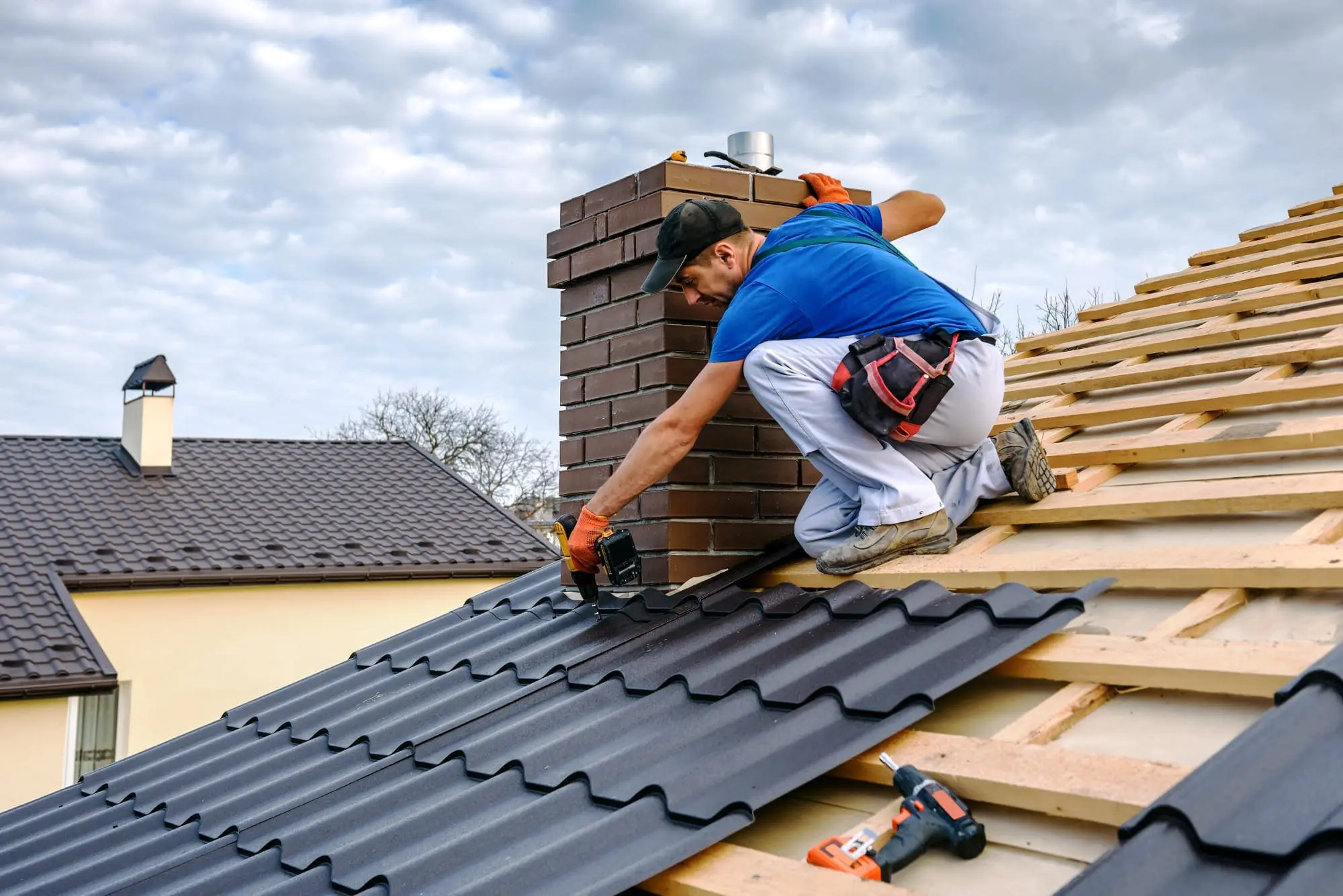
Your home’s roof stands as the guardian of everything beneath it, offering protection and peace of mind against the elements. The longevity and efficacy of this shield depend heavily on the materials you choose, making the selection of the right roofing shingles crucial.
In this comprehensive guide, we’ll traverse the landscape of roofing materials, ensuring you’re equipped with the knowledge to select shingles that will not only safeguard your home but also enhance its aesthetic appeal and value.
Types of Roofing Shingles
Asphalt Shingles
Asphalt shingles are the most common roofing material in North America, known for their affordability and a vast array of colors and styles. They come in two varieties: organic and fiberglass. Organic shingles are made of paper with an asphalt coating, making them waterproof. Fiberglass shingles have a fiberglass mat and are also layered with asphalt. The main benefits of asphalt shingles include their cost-effectiveness, ease of installation, and decent lifespan of 20-30 years.
Wood Shingles
Wood shingles, often made from cedar, redwood, or southern pine, offer a natural, textured appearance that many homeowners find appealing. With a lifespan of around 25 years when properly maintained, wood shingles are a lightweight and environmentally friendly option. However, they can be less fire-resistant than other materials and may require more diligent maintenance to prevent the decay and growth of moss and mildew.
Metal Shingles
Metal shingles, typically made from steel, aluminum, or copper, are lauded for their durability, often lasting 40-80 years. They offer great protection against snow, rain, and strong winds. Furthermore, metal shingles reflect radiant heat from the sun, which can help in lowering energy costs. They come in various styles that can replicate the look of other materials such as wood or slate, providing versatility in design.
Slate Shingles
Slate shingles are renowned for their natural beauty and exceptional durability that can last over a century. They are non-combustible and resistant to weathering and temperature fluctuations, making them an excellent choice for almost any climate. However, slate shingles are among the most expensive roofing materials and can be quite heavy, necessitating additional structural support for some homes.
Factors to Consider When Choosing Shingles
Many factors come into play when selecting the right roofing shingles for your home. These include:
Durability
Longevity is often a key factor for homeowners, and each type of shingle has a different expected lifespan. Consider the climate in your area, as extreme temperatures and weather conditions can impact durability. Metal and slate shingles are typically the most durable, followed by wood and then asphalt.
Aesthetics
The look of your roof can significantly influence the overall appearance of your home. The color, texture, and shape of the shingles can either complement or detract from your home’s architectural style. Wood and slate shingles offer a natural, time-worn aesthetic, while metal and asphalt shingles provide a range of colors and styles to suit modern and traditional homes alike.
Maintenance
Some shingles require more maintenance than others. Wood shingles, for example, may need periodic cleaning and treatment to prevent decay. Conversely, metal and some asphalt shingles are relatively low-maintenance, making them a convenient choice for many homeowners.
Cost
The initial cost of the materials and the installation should fit within your budget. Keep in mind that while materials like asphalt may be more affordable upfront, they may need to be replaced sooner than more expensive options, making the long-term cost comparable.
Impact on Home Value and Energy Efficiency
Your choice of roofing material can have a significant impact on the value of your home. For example, if you reside in Michigan and planning to get a new metal roof, it would increase your home value up to $15,000. Additionally, some materials, such as metal and slate, can contribute to energy efficiency by reflecting heat from the sun, thus reducing cooling costs in the summer.
Professional Tips and Recommendations
Before making your final decision, it’s wise to consult with a roofing professional. They can provide insights into the best materials for your specific circumstances, including your home’s structure, the local climate, and applicable building codes. Professional installation is as critical as the choice of material, ensuring the roof is properly sealed and can offer the expected level of performance and longevity.
Conclusion
Roofing shingles are a significant investment in your home’s future. By considering the material type, aesthetics, durability, maintenance needs, and cost, you can select shingles that not only protect your home but also reflect your style and contribute to its overall value. Whether you prefer the classic charm of slate, the warmth of wood, the industrial appeal of metal, or the practicality of asphalt, the right shingles can enhance both the beauty and function of your home.