
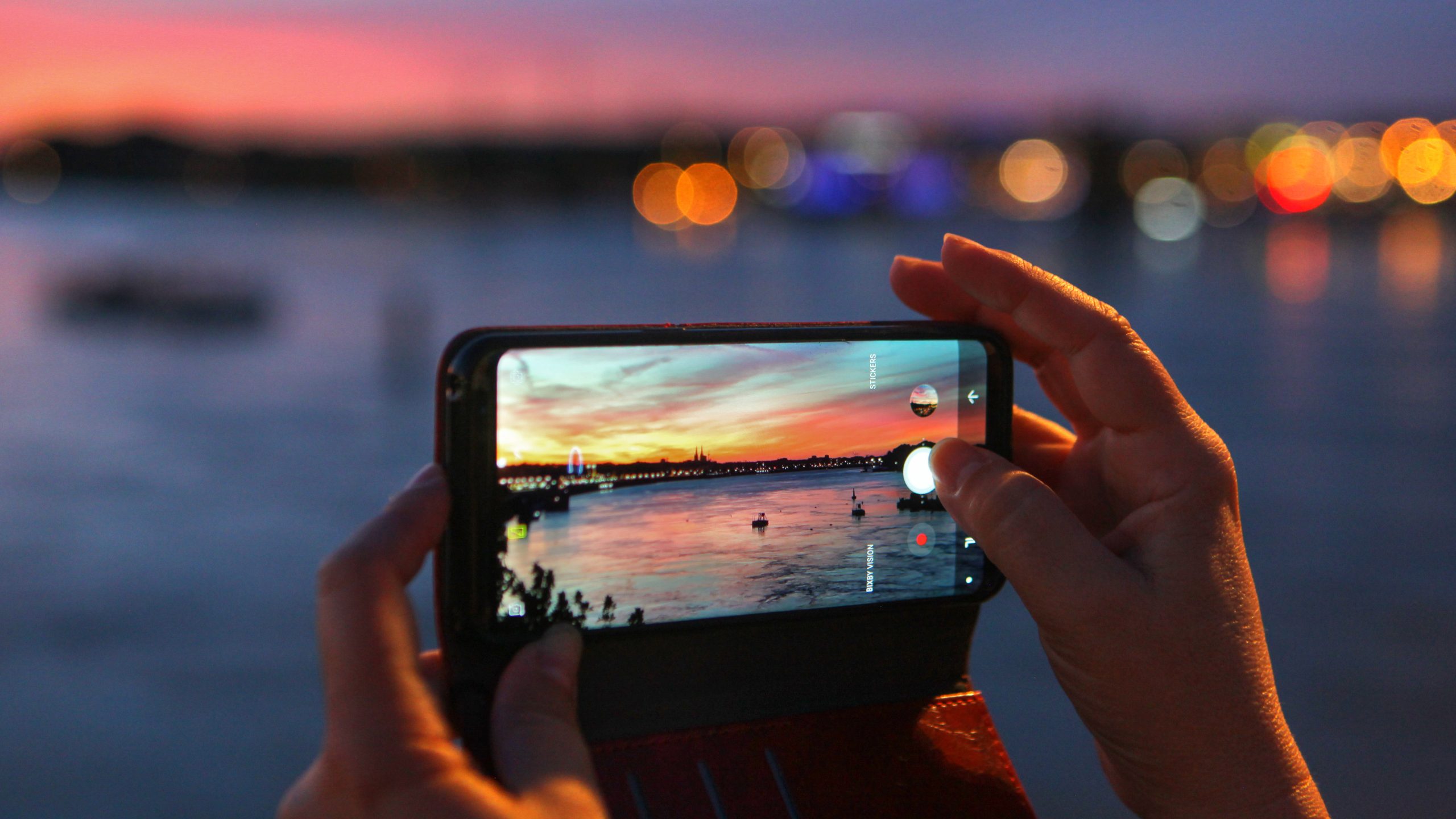
Mobile phones have become an essential part of our daily lives, revolutionizing the way we communicate, work, and entertain ourselves. From the early days of bulky, brick-like devices to today’s sleek, multifunctional smartphones, mobile phones have undergone a remarkable transformation.
Evolution of Mobile Phones
Early Mobile Phones
The first mobile phones were introduced in the 1980s and were primarily used for voice communication. These early devices were large, expensive, and had limited functionality.
The Advent of Smartphones
The launch of the iPhone in 2007 marked the beginning of the smartphone era. Smartphones combined the functionality of a traditional mobile phone with the capabilities of a personal computer, offering internet access, email, and a wide range of applications.
Major Milestones in Mobile Phone Technology
Over the years, mobile phone technology has seen numerous advancements, including the introduction of 3G and 4G networks, high-resolution cameras, touchscreens, and powerful processors. These innovations have made mobile phones indispensable tools in our everyday lives.
Impact on Communication
Instant Messaging and Social Media
Mobile phones have revolutionized communication by enabling instant messaging and social media platforms. Apps like WhatsApp, Facebook, and Instagram allow us to stay connected with friends and family, share updates, and engage with a global audience.
Video Calls and Conferencing
The ability to make video calls has brought people closer, regardless of geographical distances. Platforms like Zoom and Skype have made it possible to conduct virtual meetings, attend conferences, and stay connected with loved ones face-to-face.
Global Connectivity
Mobile phones have broken down communication barriers, enabling global connectivity. With a mobile phone, you can reach anyone, anywhere, at any time, fostering a sense of a global community.
Mobile Phones and the Internet
Mobile Internet Usage
The proliferation of the mobile internet has made information accessible at our fingertips. From checking emails to browsing the web, mobile phones have become our primary tool for accessing the internet.
Rise of Mobile Applications
The app ecosystem has flourished, with millions of applications available for download. These apps cater to a wide range of needs, from productivity and entertainment to health and education, enhancing the functionality of mobile phones.
E-commerce and Mobile Banking
Mobile phones have transformed the way we shop and manage our finances. E-commerce platforms like Amazon and eBay, along with mobile banking apps of Ztec100, provide convenient ways to make purchases and conduct financial transactions.
Mobile Phones in Education
Educational Apps and Resources
Mobile phones have become valuable tools in education, offering a plethora of educational apps and resources. Apps like Duolingo, Khan Academy, and Coursera provide access to learning materials and courses on various subjects.
Online Learning Platforms
The rise of online learning platforms has made education more accessible. Mobile phones allow students to attend virtual classes, complete assignments, and engage with instructors from the comfort of their homes.
Digital Classrooms
Digital classrooms facilitated by mobile phones have transformed traditional learning environments. Tools like Google Classroom and Microsoft Teams enable collaborative learning and streamline classroom management.
Mobile Phones in Healthcare
Health Monitoring Apps
Mobile phones have empowered individuals to take charge of their health with health monitoring apps. These apps track physical activity, monitor vital signs, and provide insights into overall health and wellness.
Telemedicine
Telemedicine has gained popularity, allowing patients to consult with healthcare providers remotely. Mobile phones facilitate virtual consultations, reducing the need for in-person visits and improving access to medical care.
Access to Health Information
Mobile phones provide easy access to health information, enabling users to research symptoms, treatments, and medical advice. This accessibility has made individuals more informed about their health.
Entertainment on Mobile Phones
Streaming Services
Mobile phones have become portable entertainment hubs, offering access to streaming services like Netflix, YouTube, and Spotify. Users can watch movies, listen to music, and stream live events on the go.
Mobile Gaming
The mobile gaming industry has exploded, with millions of users playing games on their phones. From casual games like Candy Crush to immersive experiences like PUBG Mobile, mobile gaming offers endless entertainment.
Social Media Entertainment
Social media platforms have become sources of entertainment, with users sharing videos, photos, and live streams. Mobile phones enable users to create and consume content, making social media a major entertainment outlet.
Mobile Phones and Productivity
Organizational Apps
Mobile phones enhance productivity with organizational apps like Evernote, Trello, and Asana. These apps help users manage tasks, set reminders, and organize their schedules efficiently.
Remote Work and Collaboration Tools
The rise of remote work has been facilitated by mobile phones, which offer collaboration tools like Slack, Zoom, and Microsoft Teams. These tools enable seamless communication and collaboration among remote teams.
Time Management
Time management apps on mobile phones help users stay on track and prioritize tasks. Apps like Todoist and RescueTime assist in managing time effectively, improving productivity.
Mobile Phones and Safety
Emergency Services
Mobile phones provide quick access to emergency services, allowing users to call for help in critical situations. Features like GPS and emergency contact lists enhance personal safety.
Safety Apps
Safety apps like Life360 and bSafe offer additional security by enabling location sharing, emergency alerts, and other safety features. These apps provide peace of mind to users and their families.
Parental Controls
Parental control apps allow parents to monitor and manage their children’s mobile phone usage. These apps help ensure that children use their phones safely and responsibly.
Economic Impact of Mobile Phones
Job Creation
The mobile phone industry has created numerous job opportunities, from manufacturing and retail to app development and customer support. This industry contributes significantly to global employment.
Market Growth
The mobile phone market continues to grow, driven by technological advancements and increasing demand. This growth stimulates economic development and innovation.
Economic Contributions
Mobile phones contribute to the economy through consumer spending, business investments, and tax revenues. The industry plays a crucial role in economic growth and stability.
Environmental Impact
E-Waste
The rapid turnover of mobile phones has led to an increase in electronic waste (e-waste). Proper disposal and recycling of old devices are essential to mitigate environmental harm.
Sustainable Practices
Many companies are adopting sustainable practices, such as using recycled materials and reducing carbon footprints. These efforts aim to make the mobile phone industry more environmentally friendly.
Recycling Programs
Recycling programs encourage users to recycle their old phones, reducing e-waste and promoting sustainability. Programs like Apple’s Recycling Program and ecoATM provide convenient recycling options.
Privacy and Security
Data Protection
Mobile phones store a vast amount of personal data, making data protection crucial. Users must take measures to secure their devices and data, such as using strong passwords and enabling encryption.
Cybersecurity Threats
Mobile phones are susceptible to cybersecurity threats like malware and phishing attacks. Staying informed about these threats and adopting safe practices can help protect against cyber risks.
Safe Usage Practices
Safe usage practices, such as regularly updating software and avoiding suspicious links, can enhance mobile phone security. Users should be vigilant and proactive in protecting their devices.
Future of Mobile Phones
Emerging Technologies
Emerging technologies like 5G, artificial intelligence (AI), and augmented reality (AR) are set to revolutionize mobile phones. These advancements promise to enhance connectivity, performance, and user experience.
Future Trends
Future trends in mobile phones include foldable screens, advanced biometric security, and improved battery life. These trends aim to make mobile phones more versatile and user-friendly.
Predictions for the Next Decade
The next decade is likely to see further integration of mobile phones into daily life, with advancements in AI, IoT (Internet of Things), and wearable technology. Mobile phones will continue to evolve, offering new and exciting possibilities.
Challenges and Concerns
Screen Time and Health
Excessive screen time can have negative effects on health, including eye strain, sleep disturbances, and reduced physical activity. Balancing screen time and maintaining healthy habits are essential.
Addiction and Dependency
The addictive nature of mobile phones can lead to dependency, affecting mental health and well-being. It’s important to manage mobile phone usage and develop a healthy relationship with technology.
Privacy Issues
Privacy concerns arise from data collection and surveillance by apps and service providers. Users should be aware of privacy settings and take steps to protect their personal information.
Conclusion
Mobile phones have become one of the most commonly used gadgets in today’s world, impacting various aspects of our lives. From communication and education to healthcare and entertainment, mobile phones have transformed how we interact with the world. While they offer numerous benefits, it’s important to address the challenges and concerns associated with their use to ensure a balanced and healthy relationship with this powerful technology.