
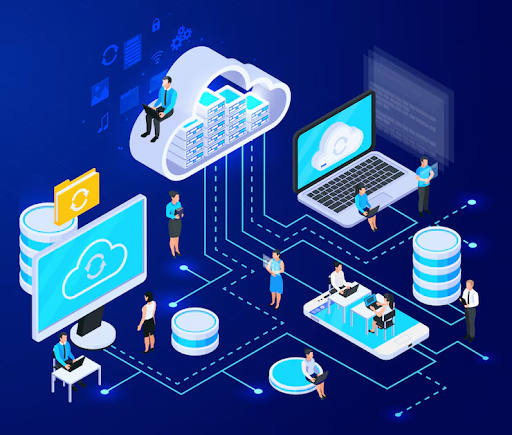
Leveraging Edge Computing in Cloud Print by Microsoft
Introduction
In the realm of modern workplace technologies, the convergence of edge computing and cloud services has ushered in a profound transformation of traditional IT infrastructures. This is especially true in print management solutions. This synergy empowers organizations to decentralize data processing, bringing computation closer to the point of data generation. This can be a printer on the shop floor or a mobile device in the field.
By leveraging localized computing resources at the edge, businesses enhance operational efficiency. It reduces latency in critical workflows and bolster data security by keeping sensitive information closer to home. This evolution marks a pivotal shift towards more agile, responsive, and secure print management practices in today’s dynamic business environments. Cloud Print by Microsoft exemplifies this evolution by leveraging localized computing resources at the edge.
Understanding Cloud Print
Cloud Print represents a paradigm shift in print management, leveraging cloud infrastructure to enable seamless and secure printing across organizational boundaries. This solution eliminates the need for traditional print servers by allowing users to print directly from cloud-connected devices, enhancing flexibility and scalability in print operations.
What is Edge Computing?
Edge computing decentralizes data processing and storage, bringing computation closer to the data source. This is particularly advantageous in scenarios requiring real-time data processing and low-latency responses. Unlike traditional cloud computing, which relies on centralized data centers, edge computing distributes computing resources to the “edge” of the network. This is evident often within the physical proximity of where data is generated.
Integration of Edge Computing with Cloud Print
Integrating edge computing capabilities with Cloud Print enhances various aspects of print management:
- Improved Performance and Reduced Latency: By processing print jobs locally at the edge, latency is minimized, ensuring faster print times and improved user experience, especially in environments with high printing demands.
- Enhanced Security through Localized Data Processing: Edge computing enables sensitive print data to be processed locally, reducing exposure to potential security threats associated with transmitting data over networks to centralized servers. This approach enhances data privacy and compliance with regulations such as GDPR and CCPA.
- Greater Reliability and Uptime: Localized processing ensures that print services remain accessible even during network disruptions or latency issues affecting cloud connectivity. Thereby maintaining productivity across diverse operational scenarios.
Advantages of Combining Edge Computing with Cloud Print
The integration of edge computing with Cloud Print offers compelling advantages:
- Cost Efficiency: Organizations can significantly reduce operational costs associated with maintaining and managing traditional print infrastructures. Edge computing minimizes the need for extensive data center investments and complex network setups. This helps in translating into tangible cost savings in hardware, maintenance, and energy consumption over time.
- Simplified IT Management: Edge-enabled printing solutions streamline IT operations by decentralizing management tasks. This approach simplifies deployment, monitoring, and maintenance efforts, particularly beneficial in large-scale enterprise environments where centralized control may be impractical or inefficient.
- Enhanced Data Privacy and Compliance: Localized data processing through edge computing enhances data privacy by keeping sensitive print data within organizational premises. This approach ensures compliance with stringent data protection regulations and mitigates risks associated with data breaches or unauthorized access.
Use Cases and Applications
Various industries, including manufacturing, healthcare, and retail, benefit from edge-enabled Cloud Print solutions. For example:
- Manufacturing: Edge computing facilitates real-time printing of production reports and quality control documents directly from factory floors. This helps in optimizing operational efficiency and minimizing delays in critical workflow processes.
- Healthcare: Edge-enabled print solutions ensure secure and timely printing of patient records and medical prescriptions. This is for maintaining confidentiality and compliance with healthcare data privacy regulations.
- Retail: Edge computing supports on-demand printing of promotional materials and customer receipts at retail outlets. It is fo enhancing customer experience and operational agility in dynamic retail environments.
Challenges and Considerations
While the integration of edge computing with Cloud Print presents significant advantages, several challenges and considerations must be addressed:
- Uniformity and Scalability: Ensuring uniformity across distributed edge nodes and scalability of edge computing infrastructure require careful planning and integration with existing IT frameworks to maintain consistent performance and reliability.
- Security and Compliance: Managing security protocols across edge devices and ensuring compliance with industry-specific regulations remain critical considerations. Organizations must implement robust security measures, including encryption and access controls, to safeguard print data processed at the edge.
Future Outlook
Looking ahead, advancements in edge computing technologies are poised to enhance the capabilities of Cloud Print even further. Key trends include:
- Artificial Intelligence and Predictive Maintenance: Integration of AI algorithms for predictive maintenance of print devices, optimizing print fleet management and reducing downtime.
- Enhanced Security Protocols: Continued development of advanced encryption standards and secure communication protocols to fortify edge-enabled print solutions against evolving cyber threats.
- Edge-to-Cloud Integration: Seamless integration between edge and cloud environments to support hybrid print workflows. It combines the benefits of localized processing with centralized management and analytics capabilities.
Conclusion
The integration of edge computing with Cloud Print represents a transformative approach to modern print management. It offers enhanced performance, security, and operational efficiency. By leveraging localized data processing capabilities at the edge, organizations can streamline print workflows, reduce costs, and maintain productivity across diverse operational scenarios.
The synergy between edge computing and cloud print technologies underscores a pivotal evolution in how organizations manage and optimize their print environments. Businesses can drive innovation, achieve strategic agility, and deliver seamless printing experiences that meet the evolving demands of modern workplaces.
This integrated approach not only enhances operational resilience but also positions organizations to capitalize on emerging opportunities in the digital print ecosystem. It ensures sustainable growth and competitiveness in an increasingly interconnected world.
