
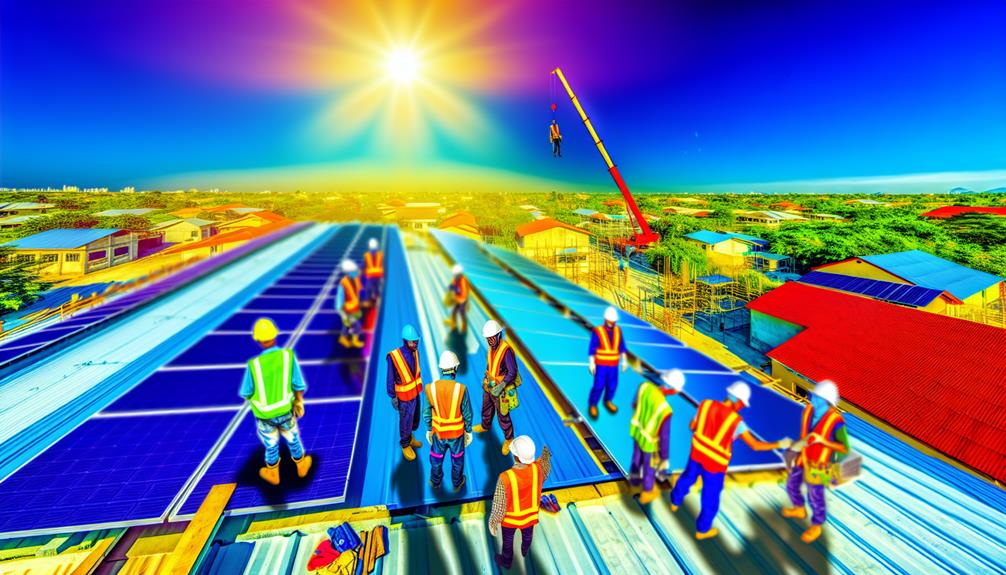
Have you ever wondered if the theory that solar construction can significantly reduce carbon footprints holds true? As you explore the advancements in solar technology, you’ll notice how modern photovoltaics and energy storage solutions have transformed the efficiency and viability of solar-powered buildings. Imagine the potential for lower operating costs and higher property values while contributing to a greener future. By understanding the benefits and future trends in solar construction, you can make informed decisions about embracing this sustainable energy source. So, what are the key innovations driving this transformation?
Evolution of Solar Technology
Over the past few decades, solar technology has evolved from rudimentary photovoltaic cells to advanced systems capable of powering entire cities. Initially, solar cells suffered from low efficiency and high costs, limiting widespread adoption. However, continuous research and development have led to significant improvements in solar efficiency, making it a viable option for large-scale energy production.
As you explore the advancements in solar technology, you’ll notice that modern photovoltaic cells now convert sunlight to electricity at much higher rates. This leap in efficiency is partly due to innovations in materials science and engineering. For instance, multi-junction cells and perovskite materials have pushed the boundaries of what’s possible, achieving conversion rates exceeding 40%.
Additionally, solar incentives have played a crucial role in driving this evolution. Governments and organizations worldwide have introduced various financial incentives, including tax credits, rebates, and grants, to encourage the adoption of solar technology. These incentives reduce upfront costs, making solar installations more accessible to homeowners and businesses alike.
Benefits of Solar Construction
Solar construction offers a multitude of benefits, ranging from significant energy savings to a reduced carbon footprint. When you incorporate solar technology into your building projects, you’re not just saving on energy bills; you’re also minimizing your environmental impact. By harnessing the sun’s power, you cut down on greenhouse gas emissions and reduce reliance on fossil fuels, contributing to a cleaner, more sustainable future.
Consider the cost savings you’ll achieve. Solar construction can drastically lower operating costs over the lifespan of a building. The initial investment in solar technology can be offset by long-term savings on energy expenses. Additionally, government incentives and tax credits can further reduce the upfront costs, making solar construction an economically viable choice.
You’ll also find that integrating solar solutions can enhance the value of your property. Buildings equipped with solar technology tend to attract eco-conscious tenants and buyers, adding a competitive edge in the real estate market. Furthermore, advancements in solar construction techniques ensure that these systems are more durable and efficient than ever, offering reliable performance for decades.
Solar Panels and Photovoltaics
Photovoltaic (PV) panels, a cornerstone of modern solar construction, convert sunlight directly into electricity through semiconductor materials. You’re essentially harnessing the sun’s power by employing advanced PV technology.
One of the most significant advancements in this field is efficiency improvements. Modern PV panels now achieve higher conversion rates, thanks to innovations in semiconductor materials and cell design. This means you can generate more electricity from the same amount of sunlight, optimizing the energy output for your project.
When it comes to installation methods, there are several factors you should consider to maximize performance and sustainability. Proper orientation and tilt are crucial for capturing the maximum amount of sunlight. Additionally, integrating tracking systems can further enhance efficiency by adjusting the panels’ angles throughout the day to follow the sun’s path.
Mounting systems have also evolved, offering more robust and adaptable solutions that can withstand various environmental conditions. By choosing the right installation methods, you not only improve the efficiency of your solar panels but also ensure long-term durability and reduced maintenance costs.
Embracing these technological advancements enables you to fully leverage the potential of solar energy, making your construction projects more sustainable and innovative.
Building-Integrated Photovoltaics
Building-Integrated Photovoltaics (BIPV) seamlessly merge solar power generation with architectural elements, transforming facades, roofs, and windows into efficient energy producers. By integrating photovoltaic elements into the building’s structure, you can achieve aesthetic integration without compromising on design. This approach not only enhances the building’s visual appeal but also promotes sustainability by reducing reliance on traditional energy sources.
You’ll find that BIPV systems offer a range of architectural innovation. For instance, solar shingles can replace conventional roofing materials, providing a dual function of shielding your building from the elements while generating electricity. Solar facades can be customized to match the building’s design, blending in perfectly with other materials like glass or metal. Even windows can be transformed into transparent solar panels, allowing natural light to enter while capturing solar energy.
Implementing BIPV requires meticulous planning and collaboration between architects, engineers, and solar technology experts. By focusing on this synergy, you ensure that the photovoltaic components are optimally positioned for maximum energy absorption. This integration not only enhances energy efficiency but also contributes to the overall sustainability of the structure.
Energy Storage Solutions
Energy storage solutions are crucial for maximizing the efficiency and reliability of solar power systems. By integrating advanced battery systems, you can store excess solar energy generated during peak sunlight hours and use it when demand is high or sunlight is scarce. Lithium-ion batteries, known for their high energy density and long cycle life, are a popular choice. They offer rapid charge and discharge capabilities, making them ideal for daily energy management.
In addition to battery systems, thermal storage offers another innovative solution for storing solar energy. Thermal storage involves capturing and storing heat energy, which can be used later to generate electricity or provide heating and cooling. This method is particularly effective in large-scale solar thermal power plants, where molten salts can retain heat for extended periods, ensuring a continuous power supply even when the sun isn’t shining.
Integrating both battery and thermal storage solutions enhances the sustainability of your solar power system, ensuring a consistent energy supply and reducing reliance on fossil fuels.
Solar Design Principles
While advanced energy storage solutions ensure continuous power supply, effective solar design principles are fundamental to optimizing the overall efficiency and sustainability of your solar power system.
First, consider solar orientation, which involves positioning your solar panels to capture maximum sunlight throughout the day. In the Northern Hemisphere, orienting panels to the south ensures they receive the most direct sunlight. You’ll need to adjust the angle based on your geographic location to maximize exposure.
Passive solar design is another crucial principle. It leverages the natural movement of heat and light to reduce energy consumption. For instance, incorporating large south-facing windows can capture sunlight during winter, naturally heating your space. During summer, overhangs or shades can prevent overheating by blocking high-angle sun rays.
Additionally, think about materials and colors in your building design. Dark-colored surfaces can absorb more heat, which is beneficial in colder climates. Conversely, light-colored surfaces reflect sunlight, keeping interiors cooler in warmer regions.
Smart Solar Systems
Smart solar systems integrate advanced technologies and real-time data analytics to enhance the efficiency and adaptability of solar energy solutions. By leveraging solar tracking mechanisms, you can maximize the amount of sunlight your panels capture throughout the day. These systems automatically adjust the orientation of your solar panels to follow the sun’s path, ensuring optimal energy absorption from dawn to dusk.
Efficiency optimization is another critical aspect of smart solar systems. Advanced algorithms analyze weather patterns, shading, and energy consumption to dynamically adjust your system’s performance. This ensures you’re always generating the maximum possible energy, even in less-than-ideal conditions. Real-time data analytics provide actionable insights, allowing you to make informed decisions about your energy usage and storage.
Incorporating smart inverters and battery storage solutions further boosts your system’s efficiency. These components not only convert and store energy more effectively but also communicate with each other to balance supply and demand seamlessly. By integrating these innovative solutions into your solar setup, you’re not just generating power; you’re creating a resilient, adaptable system that can meet your energy needs sustainably.
Ultimately, smart solar systems represent the future of solar energy, combining cutting-edge technology with a focus on sustainability and efficiency optimization.
Residential Solar Projects
Implementing residential solar projects allows homeowners to harness renewable energy, reduce electricity costs, and contribute to a more sustainable future. You can start by exploring various financing options to make the initial investment more manageable. These options include solar loans, leases, and power purchase agreements (PPAs). Each has unique benefits and can help you spread the cost over time, making solar energy accessible without a significant upfront expenditure.
Once you’ve secured financing, the installation process begins. A thorough site assessment will determine the optimal placement of solar panels to maximize sunlight exposure. It’s crucial to consider roof orientation, shading, and structural integrity. After the assessment, a detailed design plan is created, aligning with local building codes and regulations.
Next, professional installers will set up the mounting system, attach the solar panels, and connect them to your home’s electrical system. This step is critical to ensure safety and efficiency. Finally, the system undergoes rigorous testing and inspection to guarantee it meets performance standards.
Commercial Solar Applications
Expanding from residential setups, commercial solar applications offer businesses a way to significantly cut operational costs while promoting environmental sustainability. By installing photovoltaic panels on rooftops or unused land, you can generate substantial amounts of electricity, reducing your dependence on the grid and lowering utility bills. Commercial solar systems can be scaled to meet the energy needs of various industries, from small businesses to large manufacturing plants.
You’ll find a range of financing options available to make the transition to solar more feasible. Power Purchase Agreements (PPAs), Solar Leases, and Property Assessed Clean Energy (PACE) financing are popular choices that allow you to install solar systems with little to no upfront costs. These financing options spread the investment over several years, making it easier on your budget while you start saving on energy costs immediately.
Policy incentives also play a crucial role in making commercial solar applications more attractive. Federal Investment Tax Credits (ITC), accelerated depreciation under the Modified Accelerated Cost Recovery System (MACRS), and various state-specific incentives can significantly offset the initial costs. By taking advantage of these incentives, you not only reduce your financial burden but also contribute to a more sustainable future.
Future Trends in Solar Construction
Looking ahead, groundbreaking advancements in solar technology and construction techniques promise to redefine how we capture and utilize solar energy. Emerging trends like bifacial solar panels, which can absorb sunlight from both sides, significantly increase energy yield.
Integrating solar cells with building materials, such as solar shingles and facades, will transform structures into self-sustaining power generators.
You’ll also see a rise in energy storage solutions, like advanced lithium-ion batteries and flow batteries, ensuring consistent energy supply even when the sun isn’t shining. With these innovations, your projects can achieve higher efficiency and resilience.
Solar financing is another area experiencing rapid evolution. Crowdfunding platforms and green bonds are democratizing investment, making it easier for you to secure funding for large-scale solar projects. These financial innovations, combined with declining costs, are reducing the economic barriers to solar adoption.
Regulatory policies are also pivotal. Favorable policies, such as tax incentives and feed-in tariffs, encourage solar implementation. Staying informed about these policies helps you capitalize on available benefits.
As sustainability becomes a global priority, embracing these future trends ensures you’re at the forefront of a rapidly evolving industry.
Conclusion
You’ve seen how solar construction is revolutionizing the way we power our lives. By embracing cutting-edge solar technology, you’re not just lowering costs—you’re investing in a sustainable future.
Imagine your property basking in sunlight, converting it into clean, efficient energy. With advancements in photovoltaics and smart systems, the sky’s the limit.
So, let’s harness the sun’s power together and build a brighter, greener tomorrow. The future of energy is in your hands.