
Investing in your own house is perhaps the most important investment you will ever make. While it’s true that prices of property depend on the condition of the market, the location, and the interest of buyers, it is also possible that the condition of the property itself could impact its value upon resale. In fact, simple neglect and poor renovations could make the difference between a valuable property and one which would require costly repairs and would turn off potential buyers.
- Neglecting Regular Maintenance
One of the biggest mistakes made by homeowners is ignoring maintenance work. Issues like cracks in the tiles, chipping paint, leaking gutters, and loose fittings might appear as little things to take care of in the beginning. However, if allowed to worsen, they might cause serious deterioration that would eventually lead to expensive fixes. For instance, uncared-for gutters might allow water to collect at the foundation, while unaddressed timber damage might cause issues with the structure of the property. These things might be of concern to the buyer during inspection, causing them to request a reduced price. Regular maintenance ensures that the homeowner is aware of the possible problems on time.
- Ignoring an Inefficient Plumbing System
A poor plumbing system may affect the functionality of the property as well as the safety and impression that it gives. Pipe leaks, blocked drainpipes, old plumbing fittings, and variable water pressure may indicate a larger problem that requires intervention from a qualified plumber. While plumbing problems may result in the wastage of water and additional costs to your bill, they may also result in moisture, mold growth, and destruction of the walls, floors, and cabinets. As water efficiency and home infrastructure are major considerations in Australia, plumbing problems must be sorted out. It is sensible to hire experienced plumbers in Sydney to inspect ageing pipes, resolve recurring leaks, and assess whether existing fixtures need upgrading. Modern, water-efficient fittings can improve everyday convenience while helping reduce consumption.
- Choosing Cheap or Poor-Quality Renovations
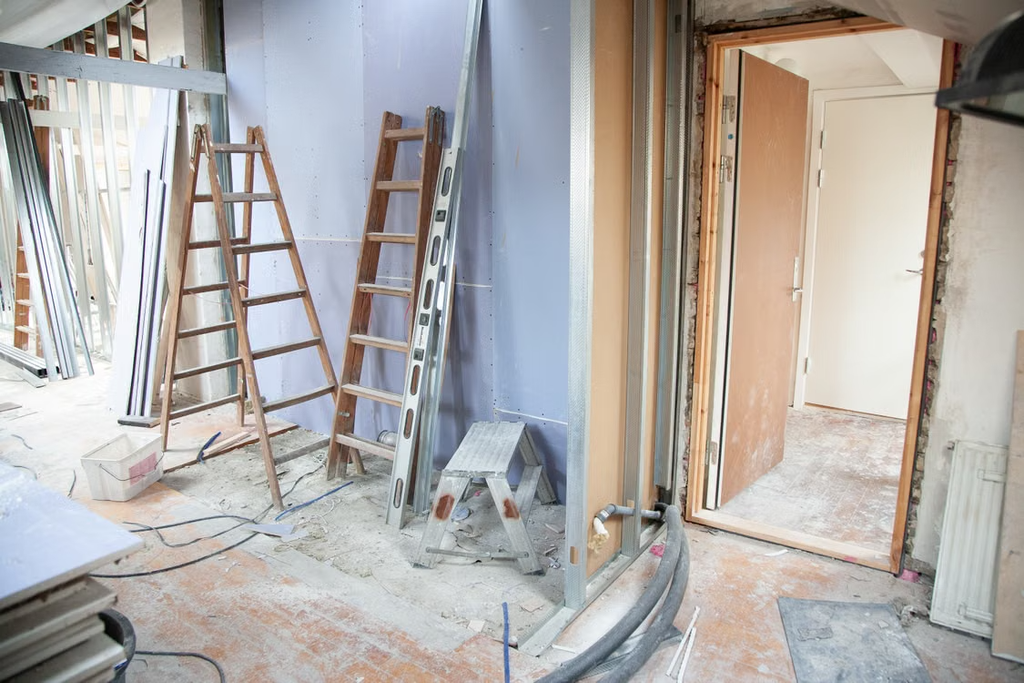
Renovation may improve the look and function of a home; nevertheless, trying to cut corners may prove costly. Utilizing inferior materials, hiring unlicensed individuals to undertake the renovations, and doing things quickly may end up producing an inferior finish that will need further expenses to remedy the situation. The installation of flooring that does not fit, cabinets that do not fit well, poor waterproofing, and electrical installation may prove to be warning signs to the possible buyers who are assessing the property. In addition, aesthetic improvements cannot hide any structural problems. It is advisable to go for high-quality work and durable materials rather than the least expensive ones.
- Overpersonalising Interior Design
The home needs to speak about the personality of the homeowner; however, too much personalised design can be a factor in reducing the desirability of the house to others. Strange colors, detailed wallpaper, highly customised fixtures, and odd room designs can fit the needs of the homeowner without fitting the needs of future buyers. Using a bedroom as a hobby room or eliminating storage areas can also be factors in reducing the functionality of the home for buyers who need something different. Rather than doing a major renovation solely for the purpose of personal taste, the homeowner should go for design flexibility in order to create an inviting environment.
- Neglecting Energy Efficiency and Curb Appeal
First impressions and further costs may influence the opinion about the property on behalf of buyers. In other words, a messy garden, old paint, broken paths, or an unattractive entrance may discourage potential clients from visiting the property. Moreover, poor insulation, poor lighting, and lack of ventilation can result in higher electricity bills and a low level of comfort in the building. These issues can be fixed rather easily through landscaping, exterior cleaning, draught-proofing, LED lights, and proper insulation. Such measures would improve the look and increase the energy efficiency of the house. Before making costly renovations, it is necessary for homeowners to think about their buyers’ requirements.
Maintaining the value of your home is an exercise that needs to be done with care, prudence, and knowledge of what will attract future buyers. This is achieved by not having any maintenance issues, sorting out plumbing issues, doing good renovations, coming up with a flexible design, and making the house energy efficient. Small but well-thought-out actions will help to avoid major problems in the future.
