
Windows 11, the latest OS iteration, boasts numerous enhancements to enhance productivity and user experience. Copilot is a collaborative tool crafted to aid users in various tasks. However, certain users have reported encountering issues wherein the Copilot icon fails to appear or remains invisible within their Windows 11 environment.
Introduction to Windows 11 Copilot Icon Missing
Windows 11, the latest iteration of Microsoft’s operating system, introduced many new features to enhance user productivity and experience. Among these features is Copilot, a collaborative tool that assists users in various tasks. However, some users have reported encountering an issue where the Copilot icon is missing from their Windows 11 system. Windows 11 and provide practical solutions to help users address this issue effectively. Whether you’re a seasoned Windows user or new to the platform, understanding why the Copilot icon may be missing and how to resolve it can help ensure a smoother and more productive computing experience.

Overview of Copilot Icon
The Copilot icon in Windows 11 provides quick access to a collaborative tool designed to enhance productivity. This feature, integrated by Microsoft, aims to streamline user experience by offering assistance in various tasks. The Copilot icon is a convenient entry point for users seeking assistance and collaboration, serving as a gateway to collaborative projects, task management, and accessing resources. Its absence from the Windows 11 interface may hinder users’ ability to leverage its functionalities effectively. In the following sections, we’ll explore potential reasons for its disappearance and provide solutions to ensure seamless utilization of this feature.

Importance of Copilot Icon
The Copilot icon holds significant importance within the Windows 11 ecosystem, serving as a gateway to a collaborative tool designed to enhance productivity and streamline user experience. Its presence signifies access to valuable features aimed at assisting users in various tasks, including collaborative projects, task management, and accessing resources.
By providing quick and convenient access to the Copilot tool, the icon enables users to leverage its functionalities efficiently, improving their workflow and productivity. Additionally, the Copilot icon serves as a visual cue, reminding users of the availability of collaborative assistance within the operating system.
Issue Identification: Missing Copilot Icon
The missing Copilot icon indicates a potential technical issue within the software system. This absence could stem from various causes, such as a glitch in the user interface, an incomplete installation, or a configuration error. It might also signify compatibility issues with the current operating environment or conflicts with other software components. Identifying the root cause requires thorough troubleshooting, which may involve checking system logs, verifying software dependencies, or reinstalling the application. Timely resolution ensures uninterrupted access to Copilot’s functionalities and prevents workflow efficiency disruptions.
Solutions to Restore Copilot Icon
To restore the Copilot icon, several troubleshooting steps can be undertaken:
- Check System Tray Settings: Ensure the Copilot icon is not hidden in the system tray. Right-click on the system tray area, select “Customize notification icons,” and verify if Copilot is set to be shown.
- Restart Copilot: Close it if it’s running, then restart the application. Sometimes, a simple restart can resolve minor issues.
- Reinstall Copilot: Uninstall Copilot entirely from your system and reinstall the latest version. This can fix any corrupted files or configuration issues.

- Update Copilot: Ensure you have the newest version of Copilot installed. Check for updates within the application or download the latest version from the official website.
- Check for System Updates: Make sure your operating system is current. Sometimes, compatibility issues arise due to outdated system components.
- Check Antivirus/Firewall Settings: Verify that your antivirus or firewall settings are not blocking Copilot. Temporarily turn off these programs to see if they are causing the issue.
- Reset User Preferences: Try resetting Copilot’s user preferences to default settings if available. This can often resolve configuration-related issues.
- Contact Support: If the issue persists, contact Copilot’s support team for further assistance. They may have specific troubleshooting steps or updates to address the problem.
Verifying Copilot Activation
Verifying Copilot activation involves several steps:
- Login Credentials: Ensure you are logged into your Copilot account using the correct username and password. Double-check for any typos or errors.
- Subscription Status: Confirm that your Copilot subscription is active and has not expired. Check your subscription details through the Copilot website or platform you used for subscription.
- License Key: If applicable, verify that you have entered the correct license key for Copilot. This key is usually provided during the purchase or activation process.

- Internet Connection: Ensure that your device is connected to the internet and that no network issues prevent Copilot from verifying its online activation status.
- Activation Confirmation: Look for any confirmation messages or emails from Copilot regarding successful activation. These communications typically contain details about your subscription status and activation.
- Software Version: Ensure you are using the latest version of the Copilot software. Updates may include bug fixes or improvements that could affect activation.
- Contact Support: If you’re still experiencing issues, contact Copilot support for assistance. They can provide troubleshooting steps tailored to your specific situation and help resolve any activation-related problems you may encounter.
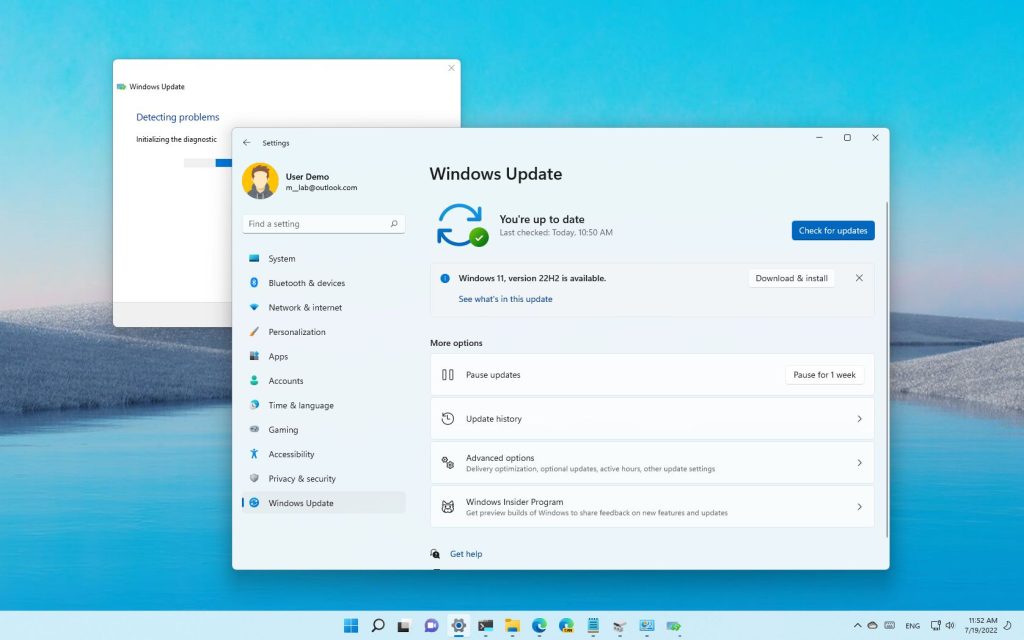
Updating Windows 11
Updating Windows 11 is crucial for maintaining system security, stability, and performance. To initiate the update process, access the Settings menu by clicking the Start button, selecting the gear icon for Settings, or pressing the Windows key + I. Within Settings, navigate to the “Update & Security” section. Click “Check for updates” to prompt Windows to search for available updates. Once identified, click the “Download and Install” button to begin the update process. It’s essential to save any ongoing work; your computer will require a restart to finalize the installation. After restarting, Windows will complete the update process, ensuring your system benefits from the latest features, bug fixes, and security patches.
Checking Notification Settings
To check notification settings in Windows 11, follow these steps:
- Open Settings: Click on the Start menu, select the gear icon (Settings), or press the Windows key + I to open Settings directly.
- Go to System: In the Settings window, select “System” from the options.
- Access Notifications & actions: Click “Notifications & actions” from the sidebar menu in the System settings. This will display notification-related settings.
- Review Notification Settings: In the Notifications & actions settings, you can toggle various options on or off according to your preferences. You can control whether notifications appear on the lock screen, adjust notification banners and sounds, and manage which apps can send notifications.
- Customize App Notifications: Scroll down to view a list of installed apps. Click on any app to customize its notification settings individually. You can choose the priority of notifications, turn on or off notifications for that app, and more.
- Adjust Other Settings: Additionally, you can customize other notification-related settings such as Focus Assist (previously known as Quiet Hours) and notification badges.
Reinstalling Copilot
To reinstall Copilot, you can follow these general steps:
- Uninstall Copilot: First, uninstall the existing Copilot application from your computer. You can do this by going to the Control Panel (on Windows) or using the Finder (on macOS), finding Copilot in the list of installed programs or applications, and selecting the option to uninstall.
- Download the Latest Version: Visit the official Copilot website or the platform from which you originally obtained Copilot and download the latest version of the software. Ensure that you download the version that is compatible with your operating system.
- Install Copilot: Once the download is complete, run the installer file to begin the installation process. Follow the on-screen instructions to install Copilot on your computer.
- Activate Copilot: If Copilot requires activation, use your credentials (such as username and password) to log in and activate the software. This step may vary depending on the specific activation process for Copilot.
- Configure Settings (if necessary): After reinstalling Copilot, you may need to configure settings according to your preferences. This might include adjusting preferences for code suggestions, integrations, or other features.
- Update if Needed: After reinstalling, check for any available updates for Copilot and ensure you’re using the latest software version.
- Test Copilot: Once the installation is complete, launch it and ensure it functions correctly. Test its features and functionalities to make sure everything is working as expected.
Resetting Copilot Preferences
To reset Copilot preferences, open the Copilot application on your computer. Once launched, navigate to the Preferences or Settings menu within the application interface. This option is typically located in the menu bar at the top of the screen for macOS users or in the toolbar or menu within the application window for Windows users. Within the Preferences or Settings menu, search for an option to reset preferences, often labeled as “Reset Preferences,” “Restore Defaults,” or similar. Click on this option to initiate the reset process, and if prompted, confirm the action. Following this, it’s advisable to restart Copilot to ensure the changes take effect. After restarting, you may need to reconfigure specific settings according to your preferences.
Frequently Asked Questions
What is GitHub Copilot?
GitHub Copilot is an AI-powered code completion tool developed by GitHub in collaboration with OpenAI. It assists developers by suggesting code snippets, comments, and documentation as they write code.
How does GitHub Copilot work?
Copilot works by analyzing the context of the code you’re writing and generating suggestions based on its understanding of programming patterns from the vast amount of code available on GitHub and other sources.
Is GitHub Copilot free?
GitHub Copilot is not entirely free. While a free trial period is available, continued use may require a subscription or payment. Pricing models may vary depending on GitHub’s offerings.
Which programming languages does GitHub Copilot support?
GitHub Copilot supports a wide range of programming languages, including but not limited to Python, JavaScript, TypeScript, Ruby, Go, C#, PHP, Java, and many others. However, its effectiveness may vary depending on the language and the specific context.
Can GitHub Copilot write entire programs for me?
While Copilot can generate code snippets and suggestions to help speed up coding tasks, it’s not meant to write entire programs from scratch. Developers still need to understand the logic and structure of their programs and use Copilot as a tool to aid their coding process.
Is GitHub Copilot secure?
GitHub Copilot is designed with security and privacy in mind. However, as with any tool that generates code automatically, there may be potential risks, such as unintentional code vulnerabilities or licensing issues. Developers need to review and understand the code suggestions provided by Copilot before integrating them into their projects.
Can I use GitHub Copilot offline?
GitHub Copilot relies on cloud-based models developed by OpenAI, so it requires an internet connection to function. There’s no official offline mode available at the moment.
Is GitHub Copilot available for all IDEs?
GitHub Copilot is primarily integrated into Visual Studio Code, one of the most popular code editors. However, there may be community efforts or plans to integrate Copilot into other IDEs or editors in the future.
Can I train GitHub Copilot on my codebase?
Currently, GitHub Copilot doesn’t support training on custom codebases. It relies on pre-trained models developed by OpenAI based on a wide range of publicly available code.
How do I provide feedback or report issues with GitHub Copilot?
Users can provide feedback or report issues with GitHub Copilot through GitHub’s official channels, such as GitHub Discussions and GitHub Issues, or directly through the feedback mechanisms provided within Visual Studio Code if they are using Copilot through that platform.
Conclusion
GitHub Copilot represents a significant advancement in code completion technology, leveraging AI to assist developers in their coding tasks. With its ability to generate code suggestions based on contextual understanding and a vast code repository, Copilot aims to streamline the development process and increase productivity. GitHub Copilot offers immense potential for improving coding efficiency, and developers should approach its usage with a critical mindset, understanding that it’s a tool to aid, not replace human creativity and expertise.