
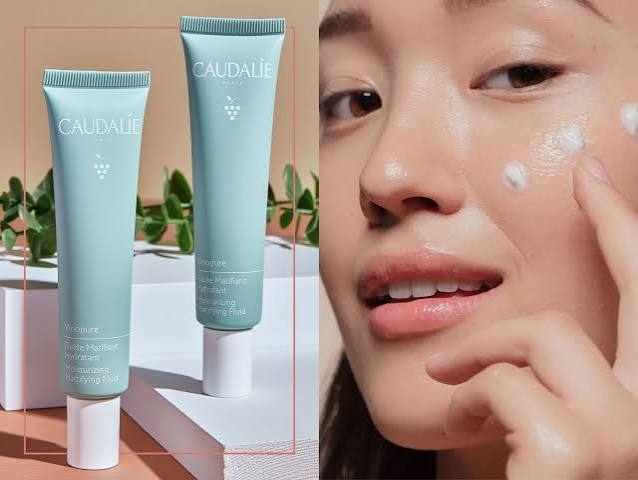
Managing oily skin can feel frustrating, especially when your face starts looking shiny shortly after completing your skincare routine. You may find yourself avoiding moisturisers because you worry they will make your skin feel heavier or contribute to clogged pores. However, skipping moisturiser altogether is not always the best solution.
Oily skin still needs hydration to maintain a healthy skin barrier. The key is choosing a formulation that provides sufficient moisture without leaving an uncomfortable, greasy finish. Lightweight gels, water-based lotions, and suitable gel-creams can help make daily moisturising more comfortable.
Understanding your skin type, identifying useful ingredients, and following a consistent routine can help you find a product that fits your needs.
Why Does Oily Skin Need Moisturiser?
Oily skin produces more sebum than some other skin types. Sebum is the natural oil that helps protect the skin, but excess production can contribute to shine and clogged pores.
However, oiliness and hydration are two different things. Your skin can produce excess oil while still experiencing dehydration, tightness, or irritation.
Using harsh cleansers, washing your face too frequently, or applying drying products may compromise the skin barrier. A suitable moisturiser helps maintain hydration and reduces moisture loss, supporting comfortable, healthy-looking skin.
If you have oily or acne-prone skin, choosing a lightweight, non-comedogenic formulation can make moisturising easier without adding unnecessary heaviness.
What Makes a Good Moisturiser for Oily Skin?
The best moisturiser depends on your skin’s needs, the climate you live in, and the products already included in your routine. However, a few characteristics can help narrow your options.
Lightweight Texture
Gel moisturisers generally have a thinner consistency than traditional creams. Many use water-based formulations that feel refreshing and spread easily across the skin.
This texture can be particularly appealing if you live in a humid climate or dislike the feeling of rich creams. A lightweight formula can provide hydration without leaving the skin feeling excessively coated.
Non-Comedogenic Formulation
If you are prone to breakouts, look for products labelled non-comedogenic. This indicates that the formulation is designed to be less likely to clog pores.
Individual reactions still vary, so observe how your skin responds after introducing a new product.
Suitable Hydrating Ingredients
Ingredients matter as much as texture. Glycerin, hyaluronic acid, and certain other humectants help attract water to the skin. Ceramides can support the skin barrier, while suitable emollients help soften the skin and reduce moisture loss.
A well-formulated moisturiser balances these functions according to its intended skin type rather than relying on a single ingredient.
Ingredients to Look for in a Gel Moisturiser
Understanding common moisturising ingredients can help you make a more informed choice.
1. Hyaluronic Acid
Hyaluronic acid is a humectant that attracts and retains water. It is frequently included in lightweight skincare products because it can support hydration without requiring a rich, oily texture.
When used in a suitable formulation, it can help skin appear smoother and more supple. It does not directly eliminate excess sebum, but it can address dryness associated with dehydration.
2. Glycerin
Glycerin is another widely used humectant that helps draw moisture into the outer layers of the skin. It supports hydration and helps maintain a comfortable skin barrier.
Because glycerin works in different types of formulations, it can be found in gels, lotions, and creams designed for various skin types.
3. Niacinamide
Niacinamide, also known as vitamin B3, can support the skin barrier and help improve the appearance of uneven skin tone. It is commonly included in products formulated for oily and combination skin.
Some formulations containing niacinamide may also help improve the appearance of pores and excess shine over time. However, results depend on the formulation, concentration, and individual skin characteristics.
4. Ceramides
Ceramides are lipids naturally found in the skin barrier. They help support its structure and reduce moisture loss.
Although ceramides are often associated with richer creams, they can also be included in lightweight formulations. Their suitability depends on the complete product formulation and your skin’s hydration needs.
How to Choose a Gel Moisturizer for Oily Skin
When comparing products, focus on how the formulation addresses your concerns rather than selecting one based on popularity alone.
A gel moisturizer for oily skin may be worth considering if you prefer a lightweight texture that fits comfortably into your daily skincare routine.
Before purchasing, review the product’s ingredient list, application instructions, and suitability for your skin type. Consider whether your main concern is excess shine, dehydration, combination skin, or breakouts.
If your skin becomes greasy immediately after application, the product may not suit your texture preferences or may be too rich for your needs. On the other hand, persistent tightness or flaking may suggest that your routine is not providing enough hydration.
Avoid assuming that every gel moisturiser is automatically oil-free or suitable for acne-prone skin. Check the product details and monitor your skin’s response.
How to Apply Moisturiser Without Feeling Greasy
The way you apply skincare can influence how comfortable your routine feels throughout the day.
Step 1: Cleanse gently. Use a mild cleanser to remove excess oil, sweat, and impurities. Avoid repeatedly washing your face to eliminate shine.
Step 2: Apply your serum, if needed. If your routine includes a serum, apply it according to its instructions before moisturising.
Step 3: Use an appropriate amount. Apply a thin, even layer of moisturiser rather than using more product than your skin needs.
Step 4: Allow it to settle. Give your skincare a little time to settle before applying sunscreen or makeup.
Step 5: Finish with sunscreen in the morning. Use broad-spectrum sunscreen with SPF 30 or higher as the final step of your morning skincare routine.
You can adjust the amount of moisturiser according to your skin’s response, the weather, and your other skincare products.
Common Mistakes People With Oily Skin Should Avoid
Certain habits can make oily skin more difficult to manage.
Skipping Moisturiser Completely
Avoiding moisturiser may leave your skin feeling dry or uncomfortable, particularly if you use acne treatments or cleansers that can cause dryness. A suitable lightweight product can help maintain hydration.
Over-Cleansing
Washing repeatedly throughout the day can irritate your skin and compromise its barrier. Use a gentle cleanser and avoid trying to remove every trace of natural oil.
Using Too Many Active Ingredients
Combining multiple exfoliating acids, acne treatments, and other active ingredients may increase irritation. Introduce new products gradually and simplify your routine if your skin becomes uncomfortable.
Choosing Products Only for Their Marketing Claims
Terms such as oil control, pore minimising, and matte finish can be useful descriptions, but they do not guarantee that a product will suit every person. Consider the full formulation and your individual skin needs.
Building a Simple Daily Routine for Oily Skin
A practical routine does not need to include numerous products.
In the morning, cleanse gently, apply a suitable serum if required, moisturise, and use sunscreen.
In the evening, cleanse your skin to remove sunscreen, makeup, and accumulated impurities. Follow with any appropriate treatment products and finish with moisturiser.
Consistency is more important than constantly switching products. Give new skincare products time to demonstrate their benefits, while remaining attentive to irritation or breakouts.
If persistent acne, unusual skin sensitivity, or excessive oiliness is affecting your daily life, a dermatologist can help identify suitable treatment options.
Final Thoughts
Finding the right moisturiser for oily skin is about balancing hydration with comfort. Lightweight textures, appropriate humectants, and formulations suited to your skin type can help you maintain a consistent routine without an excessively greasy feel.
If you prefer a lighter texture, a lightweight face moisturizer can be a useful option to explore when comparing products for daily hydration.
Choose products based on their ingredients, formulation, and suitability for your skin rather than assuming that oily skin does not need moisture. With gentle cleansing, appropriate moisturising, and daily sun protection, you can build a skincare routine that supports comfortable, healthy-looking skin.
