
Modern businesses operate in an environment where customer expectations, market conditions, and competitive pressures can change quickly. Decisions about product development, advertising, pricing, and customer experience can have a direct effect on growth. Making these decisions based only on assumptions can expose a business to unnecessary risks. Companies need reliable information about their audiences and markets so they can understand what customers want and respond effectively. This is why research technology has become an important part of modern business strategy.
A well-designed market research platform helps organizations collect consumer feedback, reach relevant audiences, organize research projects, and turn responses into useful information. Instead of managing every activity through disconnected tools and manual processes, research teams can use technology to improve efficiency and maintain better visibility throughout a study. Businesses exploring research solutions can also learn more about the capabilities discussed on purespectrum.com.
Understanding the Role of Market Research Technology
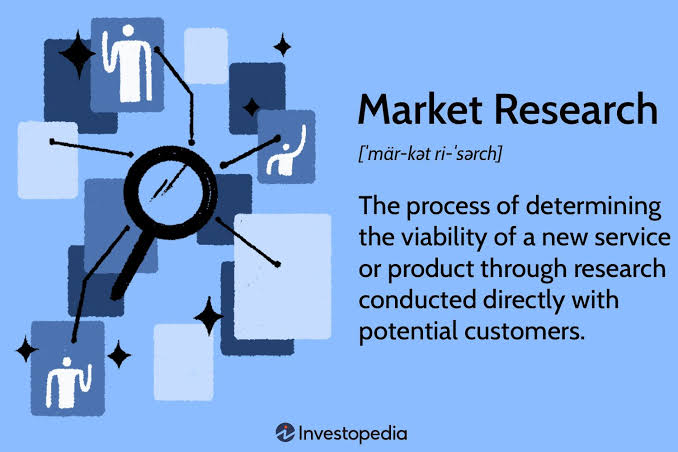
Market research involves gathering and interpreting information about customers, competitors, products, and industry conditions. Traditional research methods remain valuable, but manual processes can make it difficult to collect responses quickly, coordinate large projects, and maintain consistent data quality. Modern platforms help researchers manage these activities through more organized workflows.
For example, a company preparing to introduce a new product may need to understand whether consumers recognize the problem the product solves, how much they might pay, and which features they value most. A research platform can help the company reach suitable respondents, collect structured feedback, and examine differences between customer groups.
The value of this technology goes beyond collecting survey responses. A useful solution supports the research process from audience selection and survey distribution to quality monitoring and result analysis. When these activities work together, businesses can reduce administrative work and focus more attention on interpreting findings.
Audience Targeting and Respondent Access
Audience targeting is one of the most important features to consider when evaluating research software. A survey only provides useful information when it reaches people who can meaningfully answer its questions. If a company wants to understand the purchasing behavior of first-time electric vehicle buyers, for instance, a general survey of all adults may not provide the required level of detail.
Targeting tools help researchers define an appropriate audience using characteristics such as age, location, occupation, purchasing behavior, and other relevant criteria. Business-to-business studies may require respondents with particular job titles, responsibilities, industries, or company sizes.
The platform should also make it practical to reach the required audience within the available budget and schedule. Businesses conducting international studies may need respondents from multiple countries, while local research projects may require precise geographic targeting. Evaluating audience availability before launching a study helps organizations establish realistic expectations and avoid unnecessary delays.
Data Quality and Fraud Prevention
Collecting a large number of responses does not automatically produce reliable research. Duplicate entries, automated responses, inattentive participants, and respondents who do not match the target audience can reduce the value of a study. Data quality should therefore be a central consideration when selecting research technology.
Businesses should look for platforms that support respondent verification, duplicate detection, quality monitoring, and appropriate screening procedures. Attention checks and logical consistency checks can help researchers identify responses that may require further review. These safeguards are especially important when research results will influence expensive decisions, such as launching a product or changing a major marketing strategy.
Quality controls should be considered throughout the project rather than only after data collection ends. Monitoring the fieldwork process can help research teams identify unusual response patterns and address potential problems before they affect the final dataset.
No single quality measure can guarantee that every response is accurate. Researchers should combine technology-based safeguards with sound questionnaire design, appropriate sampling methods, and careful interpretation.
Automated Survey Fieldwork
Manual survey management can consume considerable time. Research teams may need to coordinate respondent sources, manage quotas, monitor completion rates, and communicate changes to different stakeholders. When a project involves several audience groups or countries, these tasks can become more complicated.
Automation can help researchers manage routine activities more efficiently. Depending on the solution, automated workflows may support survey distribution, sample sourcing, quota management, and progress monitoring. These capabilities can reduce repetitive administrative work and make it easier to identify when a project requires attention.
For example, a company researching three customer segments may need a specific number of responses from each group. A platform with quota management capabilities can help the team monitor whether the required groups are filling at the expected pace. Researchers can then adjust targeting or fieldwork arrangements when necessary.
Automation should support professional judgment rather than replace it. Researchers still need to review study requirements, monitor quality, and ensure that the collection process follows the research plan.
Real-Time Monitoring and Project Visibility
Timely access to project information helps teams manage research more effectively. If researchers must wait until fieldwork ends to discover that one audience group is underrepresented, they may have limited options for correcting the problem.
Real-time monitoring can provide visibility into response counts, completion rates, quota progress, and other project indicators. This information helps research teams identify delays and make adjustments while a study is still active.
Project visibility is also valuable for communication. Marketing managers, product teams, and research specialists may all need to understand whether a study is progressing as planned. Shared reporting and accessible dashboards can help stakeholders work from consistent information instead of relying on separate spreadsheets or repeated status requests.
However, real-time data should be interpreted carefully. Early responses may not represent the final sample, particularly when some customer segments are slower to participate. Researchers should avoid drawing firm conclusions before enough appropriate data has been collected.
Analytics, Reporting, and Data Export
Research becomes valuable when teams can understand what the results mean. A platform should therefore provide ways to organize responses, compare groups, identify patterns, and communicate findings clearly.
Charts, tables, dashboards, and cross-tabulations can help researchers compare results by demographic characteristics, geography, purchasing behavior, or other variables. Export features can make it easier to move data into spreadsheets, statistical software, or presentation tools when additional analysis is required.
Consider a retailer studying customer satisfaction across several regions. Overall satisfaction might appear positive, but a regional comparison could reveal that delivery problems are reducing satisfaction in one area. Without appropriate segmentation and reporting, that issue might remain hidden within the overall average.
Effective reporting should make the findings easier to understand without disguising uncertainty. Teams should be able to distinguish observed results from interpretations and recommendations. Clear explanations of sample sizes, survey methods, and study limitations help decision-makers evaluate the evidence responsibly.
Integration With Existing Research Systems
Many organizations already use survey software, customer relationship management systems, analytics tools, and internal reporting applications. A new platform should fit into this environment as smoothly as possible.
Integration options may include application programming interfaces, survey redirects, data exports, and connections to existing research workflows. These features can reduce the need to enter the same information repeatedly and make it easier to transfer results between systems.
Before choosing a solution, businesses should document how data currently moves through their research process. They should identify which tools must remain in place, what information needs to be transferred, and whether technical support will be required.
Compatibility should be tested before a large project begins. A small pilot can reveal practical issues involving data formats, survey routing, respondent identifiers, or reporting requirements. Resolving these issues early can prevent disruption during important studies.
Security, Privacy, and Responsible Research
Market research frequently involves information about opinions, preferences, purchasing habits, and personal characteristics. Organizations must handle this information responsibly and comply with applicable privacy requirements.
Businesses should evaluate how a platform manages access permissions, protects data, supports consent requirements, and handles information retention. They should also determine whether the provider’s security practices meet the company’s internal standards and relevant legal obligations.
Research teams should collect only information that is necessary for the study. Survey questions should be clear, appropriate, and proportionate to the research objective. When reporting findings, teams should take care not to expose individual participants unnecessarily.
Responsible data handling helps protect participants and supports trust in the research process. It can also reduce operational and reputational risks for the organization commissioning the study.
Scalability, Support, and Overall Value
A platform that works well for a small survey may not be suitable for a complex international research program. Businesses should consider whether a solution can accommodate changing response volumes, additional markets, new audience segments, and more frequent studies.
Support is another important factor. Research projects can encounter unexpected challenges involving targeting, survey integration, quotas, and data quality. Access to knowledgeable assistance can help teams resolve issues and keep projects moving.
Pricing should be evaluated alongside functionality, service quality, and the time required to manage a project. A low initial price may not represent good value if the system requires extensive manual work or produces data that is difficult to use. Conversely, advanced features may be unnecessary for an organization that conducts only occasional, straightforward surveys.
Businesses should compare total costs, including setup, usage, support, integration, and any additional services required.
Conclusion
The most useful market research technology combines appropriate audience access, data quality controls, automation, real-time monitoring, clear analytics, integration, privacy safeguards, and reliable support. These capabilities help organizations manage research efficiently while producing evidence that can inform business decisions.
Before choosing a solution, companies should identify their primary research goals, the audiences they need to reach, and the workflows they want to improve. A small pilot can help verify whether the platform meets those requirements in practice. By focusing on data quality and practical business value, organizations can build a more dependable research process and respond to customer needs with greater confidence.
