
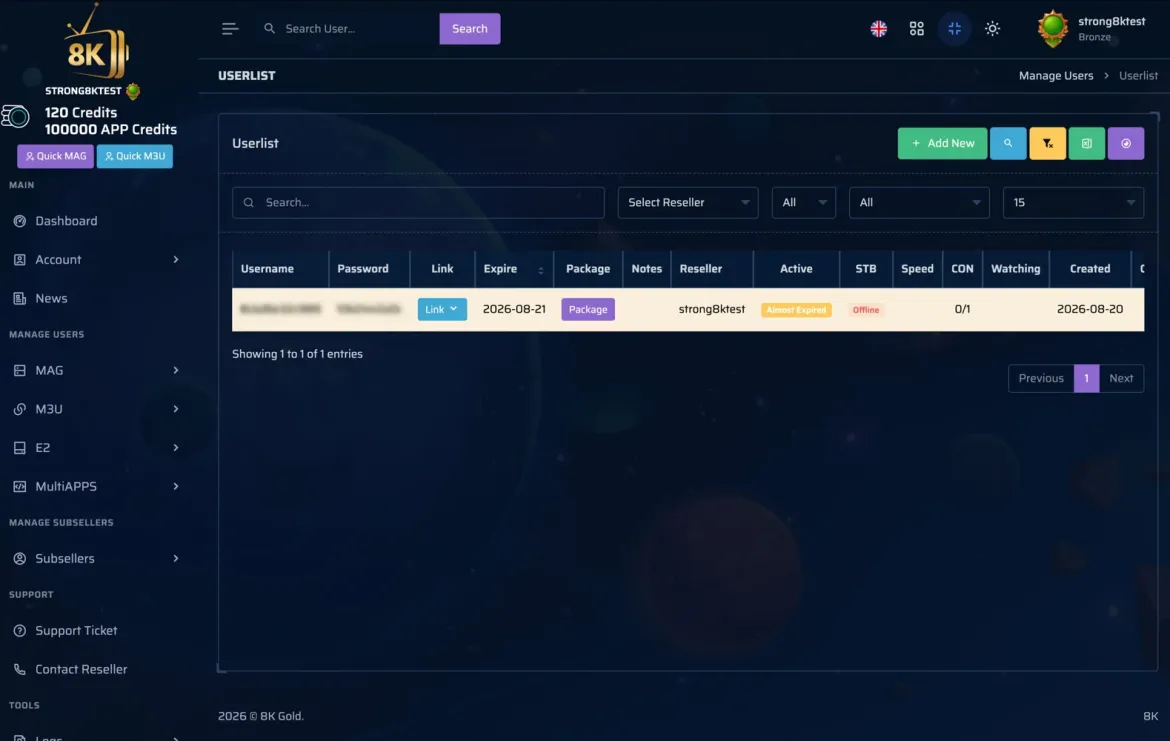
Before entering viewing credentials into an application, establish what the application is and why it is appropriate for the intended setup. A familiar name, icon or installation code can help locate software without proving who developed it or what account formats it supports. Start with Strong 8K IPTV plans and service information, then identify the exact player separately. Keeping those roles distinct helps a household avoid treating a software installation prompt as proof that a service account has been activated or that every related charge is already included.
Identify the software rather than the nickname
Record the full application name, developer and platform from the relevant legitimate distribution route. Similar names can describe different products, and a household may use a shortened nickname that hides an important distinction. Imagine a viewer replacing a television and searching for an app remembered from an old phone. The first familiar icon is not enough information to decide whether the same software is available or appropriate on the new screen. Establish the identity and intended platform before entering account details or purchasing an independent licence.
Confirm the installation source
Use the identified developer’s appropriate listing or documented route for the exact operating system. If a service page points toward a player, compare the application details with that source rather than assuming every similarly named search result belongs to the same developer. A link being shared in a group does not establish its origin. Where an installation lookup code is involved, treat it as a way to locate a route, not as independent evidence of ownership, compatibility or service access. Resolve a mismatch in identity before proceeding.
Match the account format to the player
Check which fields the application expects and which login method the provider has confirmed for the account. A username, password, portal address or activation prompt can serve different purposes in different arrangements. Do not improvise by putting private values into whichever field looks closest. Read Strong 8K IPTV apps for the service’s app context, then verify the selected player’s own requirements. A player developer can explain its interface without confirming the conditions of a particular subscription. Equally, a service account does not establish that every available player can use its supplied details.
Separate software licensing from viewing access
An application can require its own licence or account arrangement. That is a separate question from the streaming subscription unless the actual order explicitly connects them. Ask which party controls each stage and what any payment prompt concerns. Do not infer that installing software creates viewing access, or that ordering a subscription pays every possible player charge. Keep the answers beside the chosen device and application details. This makes it easier to understand an unexpected screen without rushing into a second purchase simply because the wording is unfamiliar.
Check the device and interface
Identify the exact television or connected streaming device, operating system and player version. A guide written for touch controls may not describe the remote navigation available on a television. Read the prerequisites and starting screen before following steps. If the visible interface differs, note the discrepancy and ask a focused question rather than combining instructions from several unrelated applications. A careful compatibility conversation should describe the actual equipment. It should not depend on a broad assurance that anything with a similar product name must follow the same installation or account process.
Protect credentials during preparation
Keep passwords and full private account addresses out of public comments, shared notes and ordinary screenshots. A support enquiry about preliminary compatibility usually needs the device, player and account-format question before it needs sensitive access information. Use the provider’s verified private route when identifying a particular account becomes necessary. If a screenshot helps explain a menu mismatch, remove unrelated information and inspect the image before sending it. A long address may contain an access token even when it looks like an ordinary website link, so treat complete account URLs carefully.
Use a deliberate first check
The Strong 8K IPTV safe app-download guide can support the preparation stage, while the exact device and developer information establish which route applies. After the software and account method have been confirmed, use authorized access to check one ordinary task. Observe whether the player opens, accepts the supplied method and loads the expected interface. Keep those stages separate. If login fails, describe the visible result instead of assuming a particular cause. Repeatedly entering credentials into another unfamiliar application is not a substitute for resolving why the original route did not match the confirmed instructions.
For the viewer moving from a phone to a new television, a useful support question might identify both applications by their full names and explain which fields differ. Include the device model and the public guide being followed. This gives the reply a specific purpose. It is more informative than asking whether the new app is official without identifying the developer or intended platform. Retain the answer with the setup notes so that a future update or replacement device can be evaluated against the same clear distinctions.
Before granting a requested permission, read what the application says it needs and compare that request with the intended task. Use the device’s documented controls to inspect permissions where available. If a request is unclear or appears unrelated, ask the developer through its identified support route before continuing. Do not assume that a subscription provider can explain every operating system prompt. Record the question without sending private account values. This keeps the decision tied to the software being installed and gives the correct party a specific issue to address. An unanswered permission question belongs in the setup checklist until it is resolved.
Keep the final record nonsecret and useful
Save the application identity, relevant public source, device model and confirmed login method without placing the credentials beside them. Note when the information was checked and any unresolved limitation. Review the record when the software or equipment changes. Checking an app is a process of matching identity, source, platform and account requirements. It does not need a complicated investigation, but it does need more than recognizing a logo. Those checks give a household a practical basis for deciding where its account information belongs and how to obtain help if the setup does not match expectations.
