
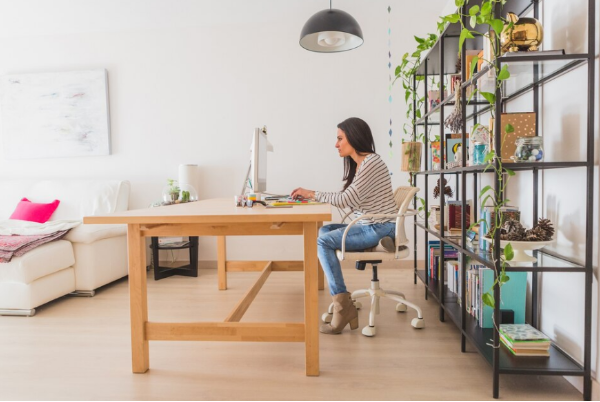
In the contemporary world, housing design has evolved from mere shelter to an embodiment of lifestyle, functionality, and personal expression. With the ever-changing dynamics of how people live and work, there is a growing need for homes that can adapt to various functions. Multifunctional spaces have emerged as a solution to this demand, offering flexibility and efficiency in housing design. This article explores the concept of multifunctional spaces, the benefits they bring, and how tools like floor plan makers play a crucial role in designing such versatile environments.
The Concept of Multifunctional Spaces
Multifunctional spaces refer to areas within a home that serve more than one purpose. These spaces are designed with flexibility in mind, allowing residents to easily adapt them to meet their needs. The idea is to maximize the utility of every square foot, especially in urban environments where space is at a premium.
The essence of multifunctional spaces lies in their ability to transform. For example, a living room can double as a guest room with a sofa bed, or a home office can be part of a larger open-plan living area. This adaptability is not only practical but also aligns with sustainable living principles by reducing the need for larger homes and excessive consumption of resources.
Benefits of Multifunctional Spaces
Optimized Space Utilization
In cities where living spaces are shrinking, multifunctional design ensures that every inch of the home is used efficiently. This optimization is essential for maintaining comfort without compromising on functionality.
Cost-Effective
By combining multiple functions into a single space, homeowners can save on the costs associated with constructing and maintaining separate rooms for each purpose. This economic benefit extends to lower utility bills and reduced furnishing costs.
Flexibility for Changing Needs
Families grow, hobbies change, and work requirements evolve. Multifunctional spaces provide the flexibility to adapt to these changes without needing significant renovations. A child’s playroom can transform into a study area as they grow older, or a home office can become a nursery.
Enhanced Aesthetics and Creativity
Designing multifunctional spaces encourages creativity. Homeowners and designers must think outside the box to create visually appealing and functional areas. This often results in innovative storage solutions, furniture designs, and use of color and lighting.
Promotes Minimalism
With multifunctional spaces, there’s a natural inclination towards minimalism. Reducing clutter and focusing on essential items become easier, leading to a more organized and aesthetically pleasing environment.
Key Design Elements of Multifunctional Spaces
Creating effective multifunctional spaces requires careful planning and thoughtful design. Here are some key elements to consider:
- Modular Furniture: Furniture that can be easily moved, reconfigured, or has multiple uses is crucial. Examples include sofa beds, fold-out desks, and stackable chairs.
- Flexible Layouts: Open floor plans with minimal permanent walls allow spaces to be redefined as needed. Sliding doors, curtains, and partitions can provide temporary separation when required.
- Smart Storage Solutions: Efficient storage is vital to keep multifunctional spaces organized. Built-in shelves, under-bed storage, and wall-mounted units help maximize space.
- Lighting: Proper lighting can transform a space. Adjustable and layered lighting options allow for different moods and functions within the same area.
- Technology Integration: Incorporating smart home technology can enhance the functionality of multifunctional spaces. For example, adjustable thermostats, smart lighting systems, and integrated audio-visual setups can cater to various uses.
The Role of Floor Plan Makers
Designing multifunctional spaces can be complex, requiring meticulous planning and visualization. This is where floor plan makers become invaluable. These tools enable homeowners and designers to create detailed and accurate floor plans, visualize different layouts, and experiment with various design elements.
Benefits of Using Floor Plan Makers
Floor plan makers allow users to visualize the potential of a space. By creating 2D and 3D models, one can see how different configurations will look and function, making it easier to make informed decisions.
These tools offer high levels of customization, enabling users to input specific dimensions, select furniture, and incorporate various design elements. This personalization ensures that the final design meets the unique needs and preferences of the residents.
Floor plan makers streamline the design process. Instead of relying on traditional hand-drawn plans, which can be time-consuming and prone to errors, digital tools provide accuracy and speed.
Many floor plan makers have features that facilitate collaboration between homeowners, designers, and contractors. Sharing plans digitally allows for easy feedback and adjustments, ensuring that everyone is on the same page.
By providing a clear visual representation of the final design, floor plan makers help avoid costly mistakes and changes during construction. This foresight can save both time and money.
Popular Floor Plan Maker Tools
- Cedreo: Known for its user-friendly interface and powerful design capabilities, Cedreois popular among both amateurs and professionals. It offers a wide range of tools for creating detailed floor plans and 3D models.
- RoomSketcher: This tool is specifically designed for creating home designs and floor plans. It offers a drag-and-drop interface, making it accessible to users with varying levels of design experience.
- AutoCAD: A professional-grade tool, AutoCAD is widely used in the architecture and design industry. It provides comprehensive features for creating precise and detailed floor plans.
- HomeByMe: This online tool allows users to create 3D home designs easily. It offers a vast library of furniture and décor items, making it ideal for visualizing multifunctional spaces.
Case Studies: Examples of Multifunctional Spaces
Urban Studio Apartment
In a bustling city, a 500-square-foot studio apartment serves multiple purposes. The living area includes a Murphy bed that folds into the wall, transforming the space into a living room during the day. A compact kitchen island doubles as a dining table and workspace. Floor-to-ceiling shelving provides ample storage without consuming floor space.
Family Home with Flexible Spaces
A suburban family home features an open-plan living area that accommodates a home office, play area, and entertainment zone. Sliding doors separate the spaces when privacy is needed. The children’s bedroom includes a loft bed with a desk underneath, maximizing the use of vertical space.
Home Office and Gym
In a larger house, a spare bedroom is transformed into a multifunctional room that serves as a home office and gym. A foldable treadmill and a wall-mounted desk allow the space to be quickly reconfigured. Built-in cabinets provide storage for both office supplies and gym equipment.
Conclusion
Multifunctional spaces represent the future of housing design, offering flexibility, efficiency, and creativity. By optimizing space utilization and providing the adaptability to meet changing needs, these spaces cater to modern lifestyles in a sustainable manner. Tools like floor plan makers play a crucial role in designing these versatile environments, allowing for precise planning and visualization. As urbanization continues to rise and living spaces become more compact, the demand for multifunctional spaces will only grow, driving innovation and enhancing the way people live and interact within their homes.
Creating multifunctional spaces is not just a trend but a necessary evolution in housing design. It reflects a deeper understanding of the relationship between people and their living environments, promoting a balance of practicality, aesthetics, and sustainability.