
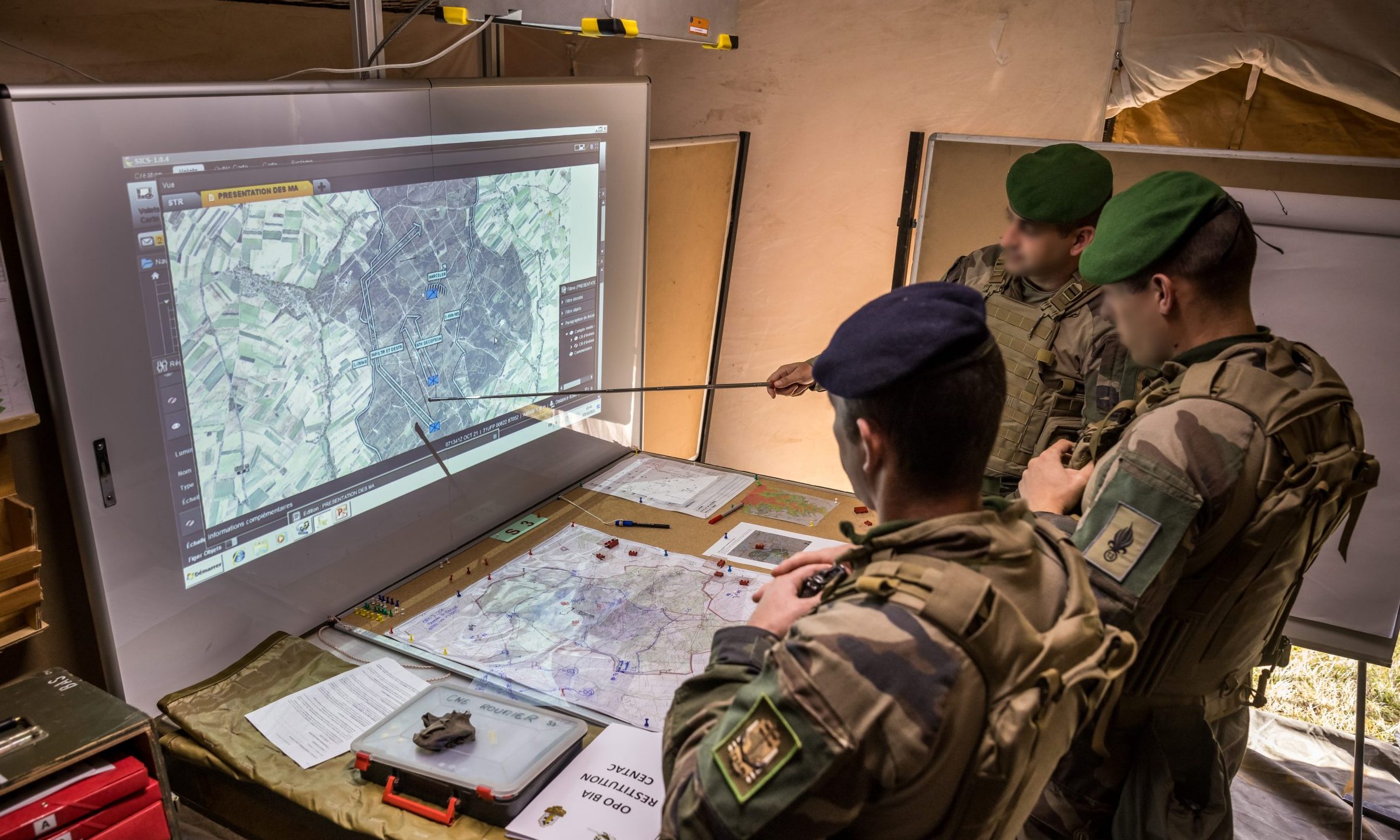
The defense industry has always been at the forefront of technological advancements, constantly pushing the boundaries to create more advanced and sophisticated weapons and defense systems. However, with the rapid pace of technology development in recent years, the defense industry is experiencing a transformation like never before.
In this article, we will explore how technology is changing the defense industry and its impact on global security.
Advanced Weaponry and Defense Systems
Technology has played a crucial role in the development of advanced weaponry and defense systems. From unmanned drones to stealth aircraft, technology has allowed for more precise targeting, increased range, and enhanced capabilities.
One significant advancement is the use of artificial intelligence (AI) in weapons and defense systems. AI allows for faster decision-making processes, enhanced accuracy, and increased autonomy. This technology has been used in drones to identify and target enemies, reducing the risk of human error.
Furthermore, advancements in sensors and satellite technologies have improved surveillance capabilities, allowing for more effective monitoring of potential threats. This has greatly enhanced the defense industry’s ability to gather intelligence and respond to threats quickly.
Evolving Cybersecurity
In addition to physical weapons and defense systems, technology has also greatly impacted the defense industry’s cybersecurity efforts. With the rise of cyber warfare, there is a constant need for more advanced and sophisticated cybersecurity measures.
One such advancement is the use of blockchain technology for secure communication and data storage. This technology allows for decentralized and tamper-proof data storage, making it difficult for hackers to access sensitive information.
Moreover, the Industrial Internet of Things (IIoT) has revolutionized the defense industry’s supply chain management and logistics. IIoT enables real-time tracking of shipments, ensuring timely delivery while also providing enhanced security measures.
Training and Simulation
Technology has also greatly impacted the way training and simulation are conducted in the defense industry. Virtual and augmented reality technologies have allowed for more realistic and immersive training scenarios, reducing the need for costly live exercises.
These technologies also enable soldiers to train in a variety of environments, from urban warfare simulations to flight simulations, preparing them for any potential scenario they may face.
The Rise of Space Technology
Space technology has become an integral part of the defense industry, with countries investing heavily in developing advanced space capabilities. Satellites are used for communication, surveillance, and navigation, making them critical assets for national security.
Moreover, advancements in space technology have also led to the development of hypersonic weapons. These missiles can travel at speeds of Mach 5 or higher, making them nearly impossible to intercept and greatly enhancing a country’s military capabilities.
The Impact on Global Security
The rapid pace of technological advancements in the defense industry is not without its challenges. With more sophisticated weapons and defense systems, there is a growing concern about the potential for an arms race between countries.
Moreover, the use of AI in weapons and defense systems raises ethical concerns about the potential for autonomous weapons to make life-or-death decisions without human intervention.
On the other hand, these advancements also have the potential to enhance global security. With more precise and targeted weapons, there is a reduced risk of civilian casualties in conflicts. Additionally, improved surveillance capabilities can help prevent terrorist attacks and other threats to national security.
Conclusion
Technology has undoubtedly transformed the defense industry, pushing boundaries and redefining what is possible in terms of weaponry and defense systems. While there are valid concerns about its impact, these advancements also have the potential to enhance global security and protect countries against emerging threats. As technology continues to advance, it will be crucial for the defense industry to strike a balance between innovation and responsibility in ensuring a safer world for all.