
As cities continue to expand and modernize, the demand for efficient, reliable, and space saving electrical infrastructure is increasing at a rapid pace. Urban power networks must support growing populations, commercial development, transportation systems, data centers, and digital connectivity, all while operating in limited physical space. In this environment, traditional air insulated electrical systems are often too large, difficult to maintain, and vulnerable to environmental conditions. This is why gas insulated switchgear is becoming the preferred solution for modern urban power networks.
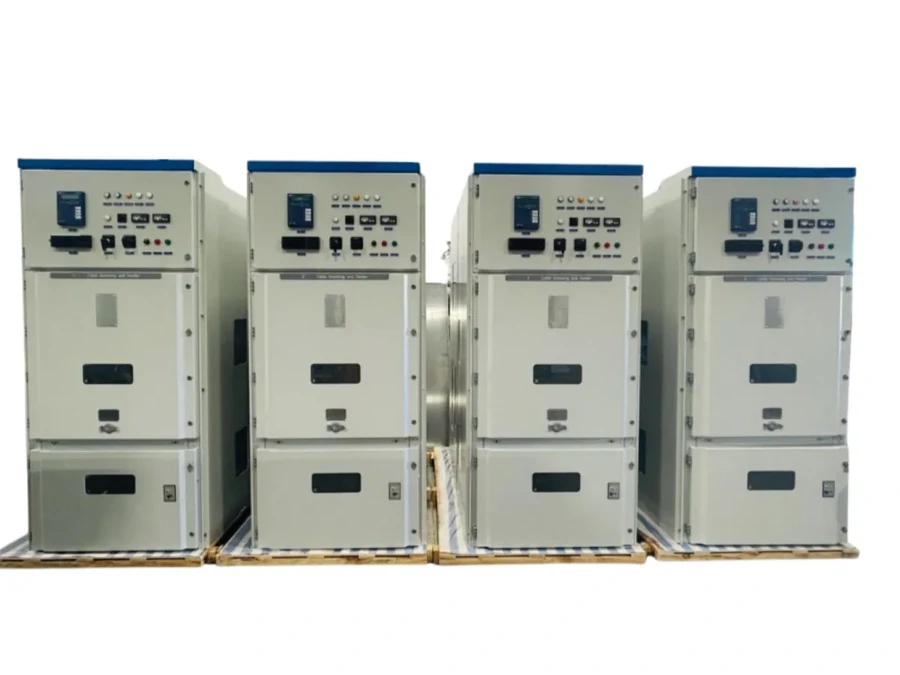
Gas insulated switchgear, commonly known as GIS, is a type of medium voltage and high voltage switchgear in which all live components are enclosed in a sealed metal chamber filled with insulating gas. This design delivers superior insulation, higher safety, and greater reliability compared to conventional air insulated systems. These advantages make GIS particularly suitable for densely populated urban environments.
Urban Power Networks Need Compact and Efficient Switchgear
One of the biggest challenges faced by city power networks is the lack of space. Land in urban areas is expensive and often unavailable for large electrical substations. Traditional switchgear systems require wide spacing between electrical components to prevent electrical faults, which results in large buildings and high installation costs.
Gas insulated switchgear solves this problem through its compact design. Because the insulating gas has much higher dielectric strength than air, the distance between live parts can be significantly reduced. This allows GIS systems to occupy much less space while delivering the same or higher voltage capacity. As a result, substations can be installed inside buildings, underground, or even within existing infrastructure, which is ideal for urban areas where land is limited.
This compact footprint also supports urban development by freeing up valuable land for housing, offices, and public spaces while still providing reliable electrical distribution.
Higher Reliability for Critical Urban Infrastructure
Cities depend heavily on continuous power supply. Hospitals, public transportation systems, data centers, and commercial districts require stable electricity with minimal interruptions. Any failure in the power network can lead to economic losses, safety risks, and public inconvenience.
Gas insulated switchgear is designed to deliver extremely high reliability. Since all electrical components are sealed inside a metal enclosure, they are protected from dust, moisture, pollution, and humidity. These environmental factors often cause failures in air insulated systems, especially in polluted or coastal cities.
The insulating gas also provides excellent protection against electrical breakdown, reducing the chances of internal faults. This leads to fewer outages and more stable power delivery, which is essential for urban power networks that must operate around the clock.
Reduced Maintenance in Busy City Environments
Maintaining electrical equipment in urban areas can be complex and costly. Access to substations is often restricted, and shutting down parts of the network for maintenance can disrupt large numbers of people and businesses.
Gas insulated switchgear requires significantly less maintenance than traditional switchgear. Because the components are sealed and protected from the external environment, they experience less wear and contamination. This allows for longer inspection intervals and fewer service interruptions.
With reduced maintenance needs, utilities can lower operational costs while improving system uptime. This is especially important in cities where even short outages can affect thousands of users.
Improved Safety for Workers and the Public
Safety is a critical factor in urban electrical systems. Substations and switchgear installations are often located near offices, residential buildings, and public areas. Any electrical accident can have serious consequences.
Gas insulated switchgear offers a high level of safety because all live components are fully enclosed. There is minimal risk of accidental contact with energized parts, which protects maintenance personnel and nearby occupants. The sealed design also helps contain internal faults, reducing the risk of arc flash and fire.
This makes GIS an ideal choice for urban installations where electrical equipment must operate safely in close proximity to people and buildings.
Flexible Installation Options
Another reason gas insulated switchgear is becoming popular in cities is its flexibility. GIS can be installed in a wide range of environments, including indoor substations, underground vaults, rooftops, and compact enclosures. This flexibility allows engineers to integrate switchgear into existing structures, which is often necessary in crowded urban areas.
Because of its modular design, GIS can also be expanded easily as power demand grows. This makes it well suited for cities where energy consumption continues to rise due to population growth, electric vehicles, and digital infrastructure.
Resistant to Harsh Urban Conditions
Urban environments expose electrical equipment to pollution, moisture, heat, and chemical contaminants. These conditions can significantly shorten the lifespan of traditional switchgear.
Gas insulated switchgear is highly resistant to such environmental challenges. Its sealed enclosure prevents external contaminants from reaching critical components, ensuring stable performance over long periods. This durability helps urban utilities maintain reliable service even in challenging conditions.
Supporting Modern Smart Grids
Cities are increasingly adopting smart grid technologies to improve energy efficiency, integrate renewable energy, and monitor system performance in real time. Gas insulated switchgear is well suited to these advanced networks.
Modern GIS systems can be equipped with sensors, digital controls, and remote monitoring tools that allow utilities to detect faults quickly, optimize power flow, and improve response times. This level of automation is essential for managing complex urban power networks.
Conclusion
Gas insulated switchgear is becoming the preferred choice for urban power networks because it offers the perfect balance of compact design, high reliability, safety, and long term efficiency. As cities continue to grow and demand more dependable electrical infrastructure, GIS provides a solution that meets both current needs and future challenges.
By delivering stable power in limited space while reducing maintenance and enhancing safety, gas insulated switchgear is shaping the future of urban electricity distribution and supporting the development of smarter, more resilient cities.